

Introduction
Is Morocco’s royal legacy only about colorful souks—or a living timeline carved into minarets, gates, and dynastic capitals? This 2025 guide proves the latter with a complete plan for exploring all four imperial cities. If you’re mapping a morocco imperial cities tour, you’ll uncover UNESCO-listed medinas, fortress walls, and ceremonial squares that shaped North Africa’s history. Think of it as a royal heritage trail: from Rabat’s modern capital polish to Meknes’s Alaouite grandeur, Fez’s scholarly heart, and Marrakech’s red-hued palaces—an itinerary that blends culture, cuisine, and craftsmanship into one seamless journey.
Essentials & Must-Dos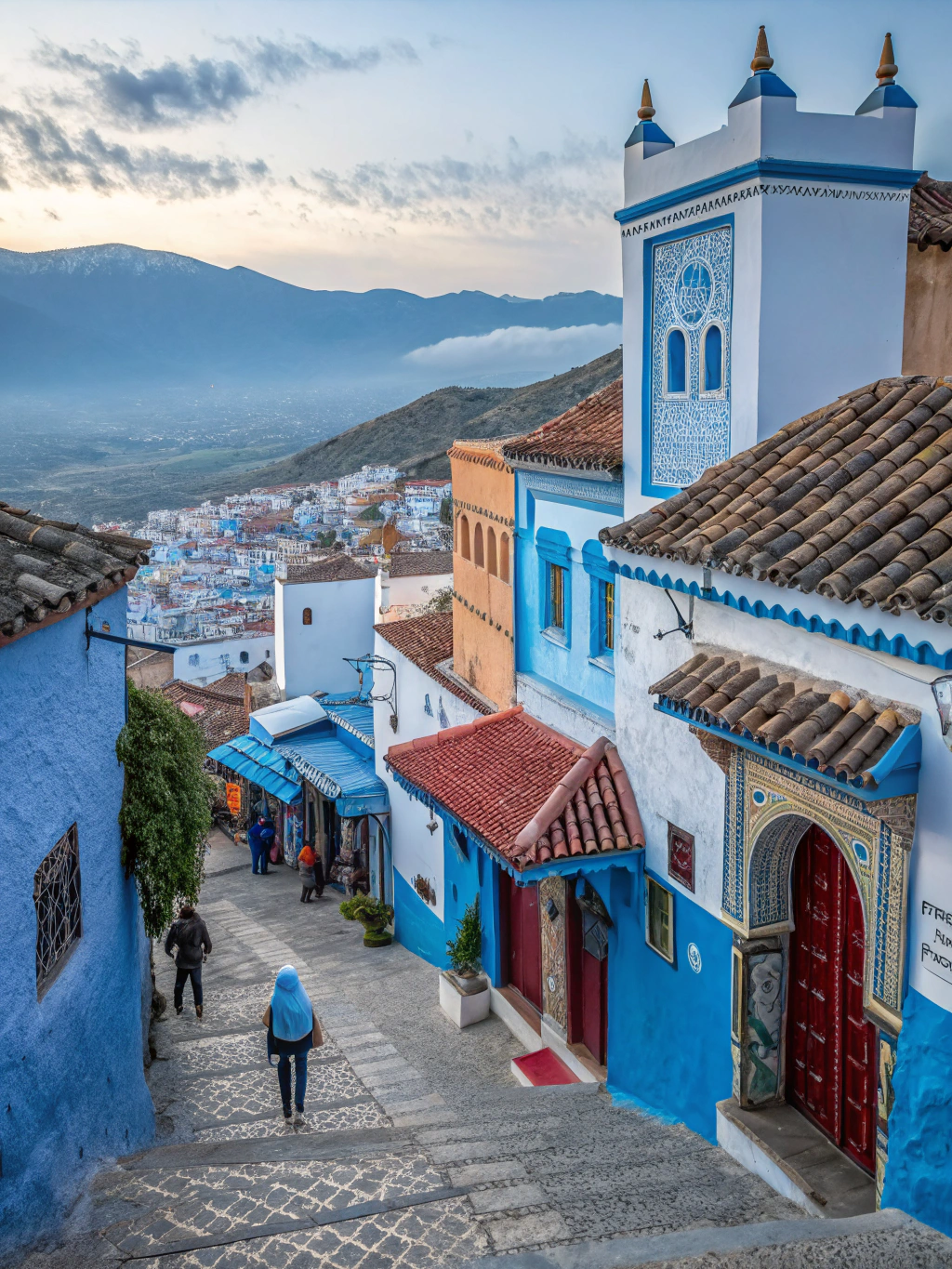
- Travel documents: Passport valid 6+ months; many nationalities enjoy visa-free entry for up to 90 days. Always verify with your nearest Moroccan consulate before booking.
- Money: Moroccan Dirham (MAD); cash is king in medinas. Bring a no-foreign-fee debit card; small bills (10–50 MAD) help for taxis and tips.
- Connectivity: Instead of a paper map, grab an eSIM/data plan for Google Maps and Maps.me offline layers; ONCF train schedules are easier to check on-the-go.
- Clothing: Pack light layers. Evenings can dip below 10°C in winter; modest attire is appreciated in religious or traditional areas. A scarf is handy for sun and dust.
- Footwear: Cobblestones and medina stairs call for broken-in walking shoes or lightweight hikers.
- Power: 220V, plug types C/E. A universal adapter plus a compact power strip keeps cameras and phones charged.
- Health kit: Rehydration salts, hand sanitizer, and a basic first-aid kit. Choose sealed bottled water; avoid ice where hygiene is uncertain.
- Cultural must-dos:
- Rabat: Mohammed V Mausoleum and Hassan Tower site.
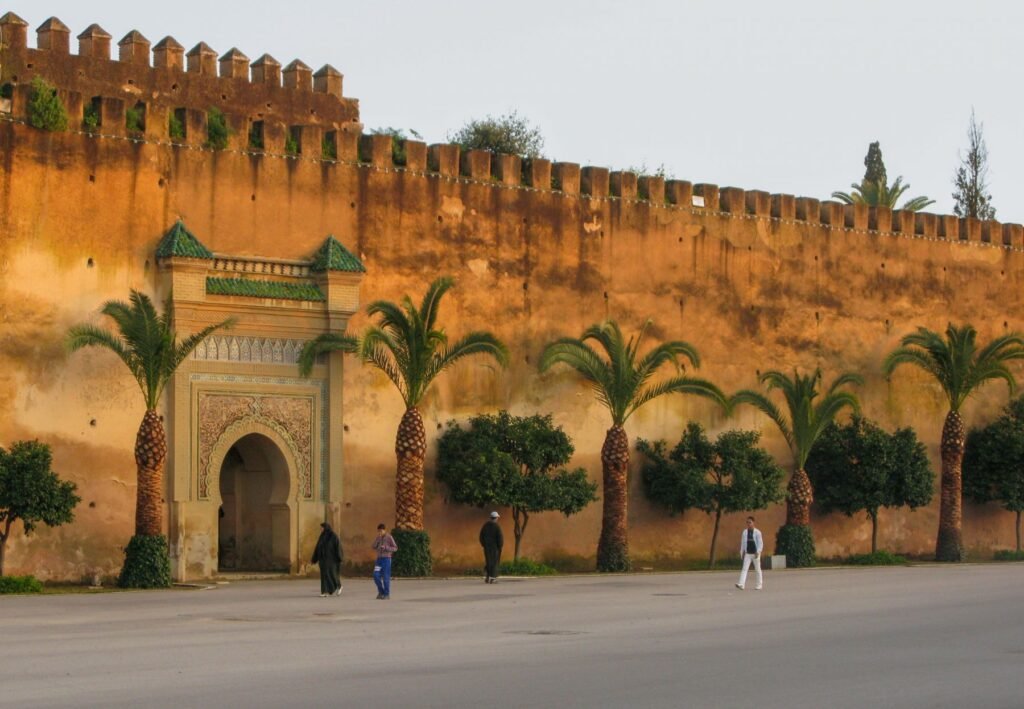
- Meknes: Heri es-Souani granaries, Bab Mansour gate, and the Mausoleum of Moulay Ismail.
- Fez: Fes el-Bali alleys, tanneries, Al-Qarawiyyin quarter (view from designated rooftops).
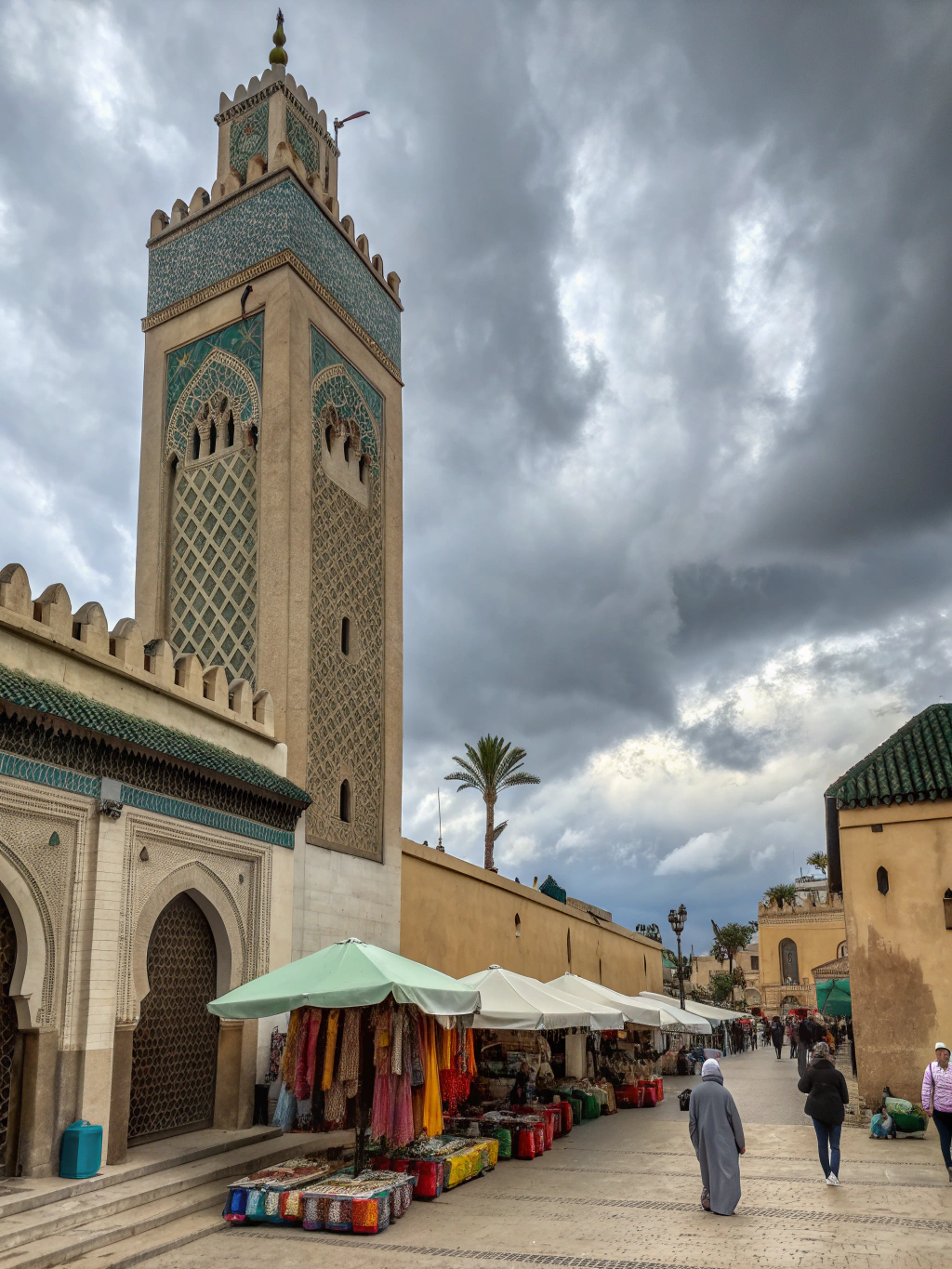
- Marrakech: Bahia Palace, Saadian Tombs, Koutoubia viewpoint, and sunset on Jemaa el-Fna.
Timing & Scheduling
- Preparation window: 2–6 weeks for planning trains, riads, and key guided experiences (tanneries, palace tours, hammam).
- Ideal trip length: 7–10 days for all four cities without rushing.
- Best seasons: March–May and September–November. Shoulder-season travelers typically save 15–25% on flights and accommodation vs. peak summer, with more comfortable daytime highs (18–28°C).
- Holidays and Fridays: Expect altered hours around Ramadan and Friday midday prayers; museums may close earlier.
- Getting between cities: ONCF trains connect Rabat–Meknes–Fez efficiently (Rabat to Fez ~2h45). Fez–Marrakech is ~7h by train; book first class for reserved seating and AC.
Step-by-Step Itinerary
Day 1: Land in Rabat, the modern royal capital
- Morning: Arrive via Rabat–Salé airport or train. Check in to a riad in the medina or Oudayas district.
- Midday: Stroll the Kasbah of the Udayas—white-and-blue alleys meet Atlantic breezes. Savor grilled sardines with chermoula and a mint tea in a cliffside café.
- Afternoon: Visit Hassan Tower and the gleaming Mohammed V Mausoleum. Golden light is perfect for photos of the columns and zellij.
- Tip: Use petit taxis with the meter; if not available, agree on the fare before riding.
Day 2: Rabat to Meknes with Roman Volubilis detour
- Morning: Train to Meknes (approx. 2h). Drop bags and hire a driver to Volubilis (UNESCO Roman ruins).
- Midday: Wander olive presshouses and mosaics like the House of Orpheus; bring a hat—shade is scarce.
- Afternoon: Return to Meknes for Bab Mansour, Place El Hedim, and Heri es-Souani granaries.
- Evening: Taste Meknassi specialties—Rfissa or Boulfaf (grilled liver skewers).
- Pro move: Time Volubilis late afternoon for softer light and fewer crowds.
Day 3: Fez—first immersion in Fes el-Bali
- Morning: Short train from Meknes to Fez (~40 min). Check into a medina riad.
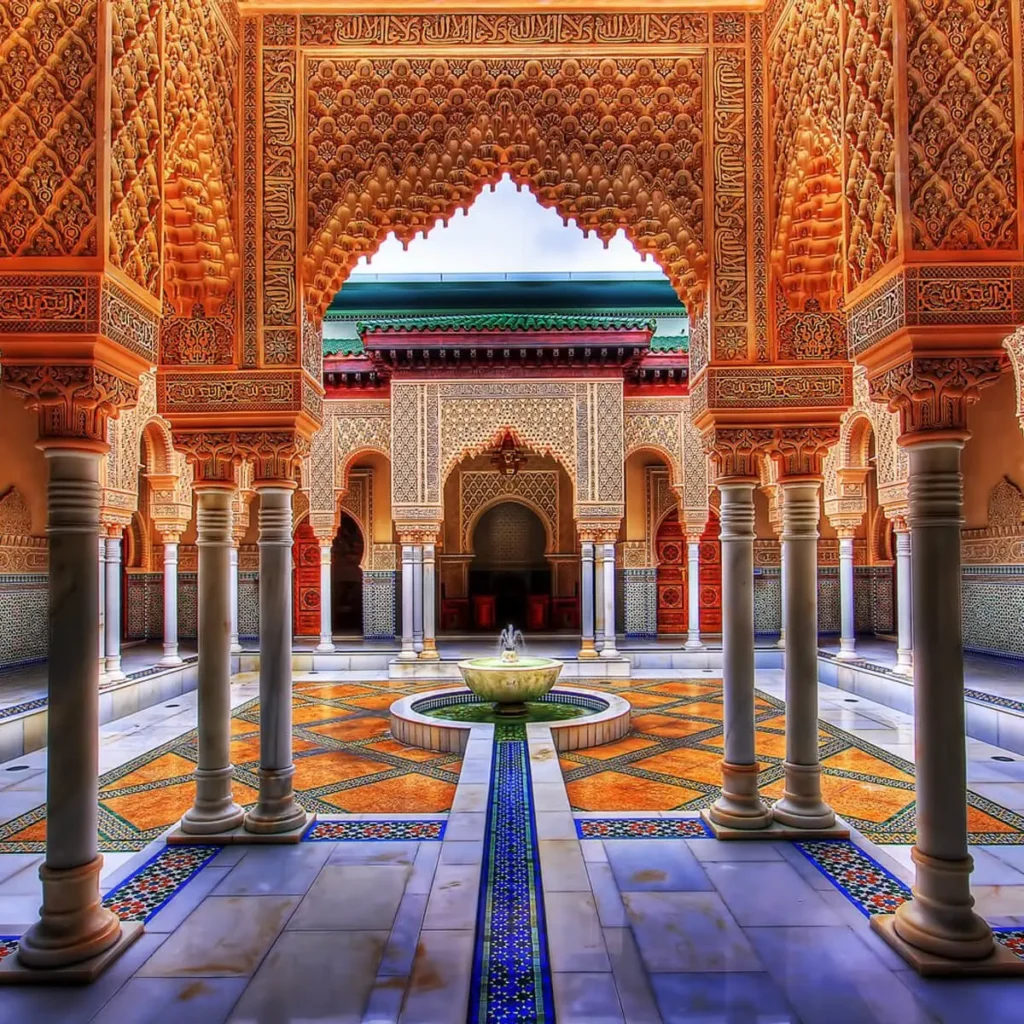
- Late morning: Orientation walk with a licensed guide through the Andalus and Qarawiyyin quarters. View the tanneries from designated terraces; bring a sprig of mint for the aroma.
- Afternoon: Visit Bou Inania Madrasa and Nejjarine Museum of Wooden Arts & Crafts.
- Evening: Dinner in a restored palace—think pastilla with cinnamon and almond, followed by orange slices with cinnamon for dessert.
Day 4: Fez crafts and culinary traditions
- Morning: Join a pottery or brass-engraving workshop; ship finished pieces home to avoid luggage weight.
- Midday: Street-food tour—snack on bissara (fava bean soup), mahjia dates, and msemen stuffed with khlii.
- Afternoon: Explore the Mellah (Jewish quarter) and panoramic Borj Nord for a citywide view.
- Travel tip: ATMs inside modern malls or near major hotels are more reliable for cash withdrawals.
Day 5: Long rail to Marrakech—red city arrival
- Morning: ONCF train Fez to Marrakech (~7h). First class increases comfort and security for luggage.
- Afternoon: Check into a riad near Riad Laarous or Kasbah for easy access to sites.
- Evening: Golden hour at Jemaa el-Fna; sample fresh orange juice, then dine on grilled brochettes as Gnawa rhythms fill the square.
Day 6: Palaces, tombs, and gardens
- Morning: Koutoubia viewpoint, then Bahia Palace’s painted ceilings and riad courtyards.
- Midday: Saadian Tombs and a traditional hammam for a scrub with black soap and argan oil.
- Afternoon: Jardin Majorelle and the Yves Saint Laurent Museum; prebook tickets to skip queues.
- Evening: Rooftop tagine overlooking lantern-lit lanes.
Day 7: Day trip or slow-living and departure
- Option A: Atlas Mountains (Imlil) for a guided walk and lunch in a Berber village.
- Option B: Essaouira’s breezy ramparts and seafood stalls.
- Wrap-up: Last-minute shopping in the souks; pack fragile items in clothing and carry them on.
Health & Safety Advisories
- Vaccinations: Health authorities like the CDC and WHO advise being up to date on routine vaccines; Hepatitis A is commonly recommended for most travelers, with Typhoid considered for adventurous eaters or rural visits. Discuss Hep B or Rabies only if your plans involve close animal contact or extended stays.
- Water & food: Prefer sealed bottled water; avoid raw salads where hygiene is uncertain; peel fruits; choose busy stalls with high turnover.
- Security: Morocco is generally stable; follow local embassy advisories and register travel plans if available. Keep valuables discreet, use hotel safes, and avoid isolated alleys late at night. Tourist police operate in major cities.
- Emergency numbers: Police 19 (fixed line) or 190 (mobile); Ambulance/Fire 15.
- Respect: Public displays of affection are modest; ask before photographing people; dress respectfully at religious sites.
Alternative Routes & Experiences
- For the budget-conscious: Use standard-class trains, choose shared riad rooms, and join group tours for Volubilis and palaces. Night trains help save on accommodation.
- For the luxury seeker: Book heritage riads, private guides, chauffeured transfers between cities, and chef’s-table dinners; add a hot-air balloon ride near Marrakech.
- For culture deep-divers: Add a day in Salé or Tétouan, or schedule workshops in zellij, tadelakt, or calligraphy in Fez.
- For photographers: Sunrise at Rabat’s Oudayas, blue hour at Meknes’s gates, rooftop sunsets in Fez, and lantern-lit alleys in Marrakech.
- Reverse route: Start Marrakech → Fez → Meknes/Volubilis → Rabat to align with flight deals and festivals.
Suggested Activities & Pairings
- Sahara pairing: Add 2–3 days from Marrakech via Ouarzazate to Merzouga for an Erg Chebbi desert camp.
- Coastal breather: Essaouira’s medina and surf scene break up an intense city run.
- Culinary angle: Take a market-to-table cooking class—shop spices in Fez, then learn to build flavor with ras el hanout.
- Wellness: Traditional hammam and argan-oil massage after long medina walks.
- Museum circuit: Dar Batha (Fez), Andalusian Gardens (Rabat), and Maison de la Photographie (Marrakech) for visual context.
Common Mistakes to Avoid
- Not carrying small bills: Many vendors and taxis can’t change 200 MAD notes.
- Overpacking the schedule: Medinas are labyrinths—build buffer time between sites.
- Ignoring siesta heat: In warmer months, plan indoor visits 12–3 pm and resume exploring at golden hour.
- Accepting unsolicited guiding: Hire licensed guides via your riad or official offices; decline politely if approached.
- Skipping prebookings: Bahia Palace and Jardin Majorelle are popular—reserve time slots when available.
- Currency confusion: The Dirham is a closed currency; exchange before leaving the country if possible.
Logistics & Storing Tips
- Digital backups: Store scans of passport, insurance, and tickets in an encrypted cloud folder and offline on your phone.
- Money management: Mix ATM withdrawals with a backup stash of euros/USD for emergencies; notify your bank of travel dates.
- Tickets & trains: ONCF.ma shows timetables; buy seats a day early for long legs like Fez–Marrakech.
- Luggage: Use lightweight locks; keep meds and essentials in your carry-on. Many riads can store bags for late departures.
- SIM and power: Pre-purchase an eSIM or buy a local SIM at arrival; carry a compact power bank for mapping and photos.
Conclusion
From Rabat’s ceremonial calm to Meknes’s monumental gates, from Fez’s scholarly maze to Marrakech’s theatrical squares, this itinerary delivers a crown-to-crown journey through Morocco’s dynastic heart. If you’re ready to walk the royal timeline, save this plan, share it with your travel partner, and tell us which city surprised you most. Your next step? Lock in trains and riads, and begin your morocco imperial cities tour while shoulder-season deals last.
FAQs
Which city should I start with?
Rabat is a calm, well-connected entry point and eases you into the rhythm before Fez and Marrakech.How many days do I need for all four cities?
Seven to ten days balances depth and downtime; five days is possible but feels rushed.Can I visit mosques?
Most mosques are closed to non-Muslims, but sites like Rabat’s Mohammed V Mausoleum welcome all. Respect signage and local guidance.Is train travel safe and reliable?
Yes. ONCF trains are the easiest intercity option; first class ensures a reserved seat and more space for bags.What’s a realistic daily budget?
Mid-range travelers spend roughly 700–1,200 MAD/day including meals, museum entries, taxis, and a comfortable riad.Where can I learn more about the broader context?
For a comprehensive glance at the broader theme—imperial cities morocco use this overview alongside local guides and museum visits for deeper insight.


ever wondered if timing can transform your Moroccan adventure from ordinary to extraordinary? The best time to go to morocco isn’t just about weather—it’s about experiencing the perfect harmony of comfortable
[…] Travelers: Focus on Rabat and Meknes, where ramadan morocco 2025, visiting morocco ramadan customs, iftar experiences morocco, muslim […]