

Introduction
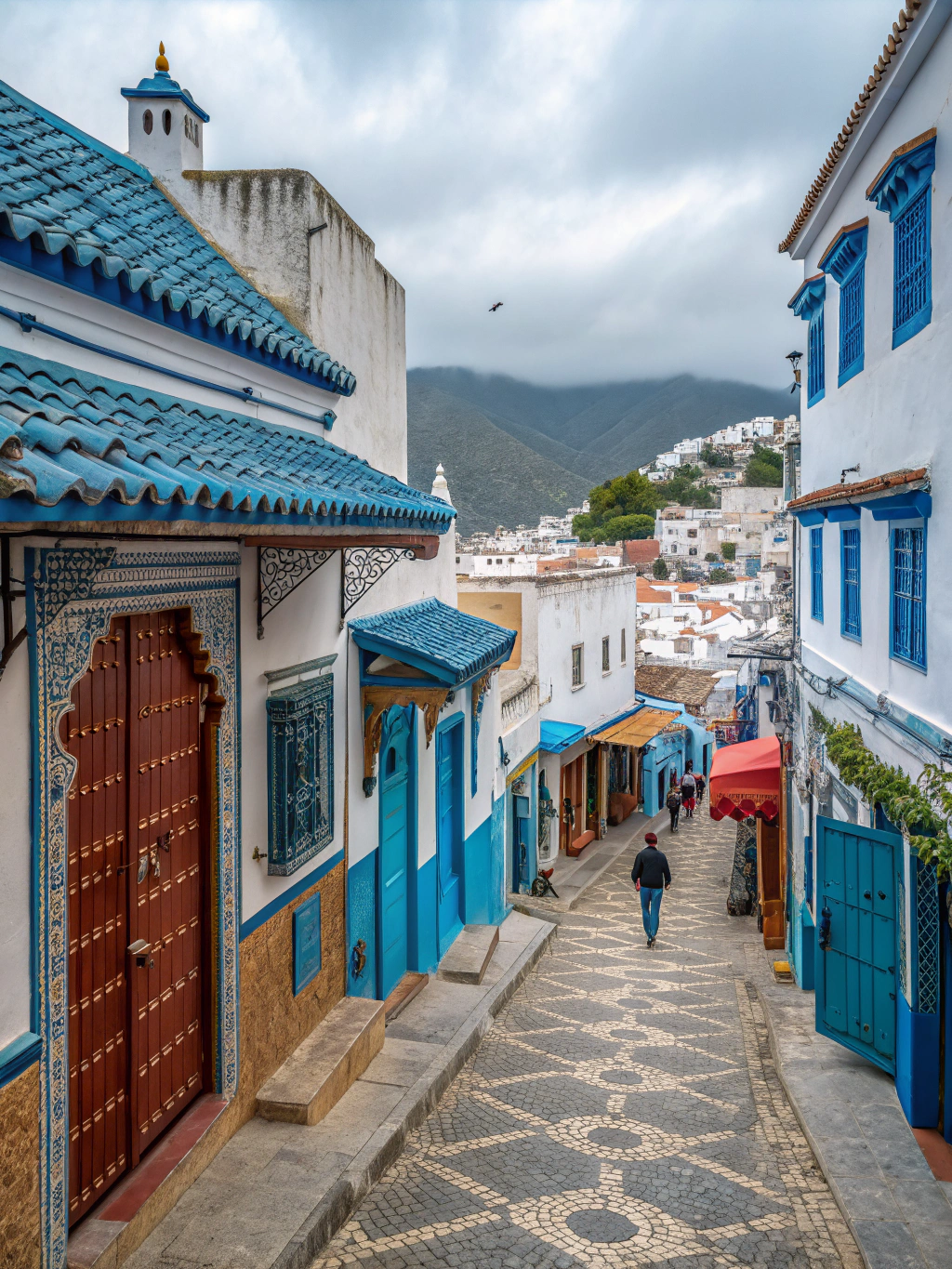
Is the storied north of Morocco only about Tangier and Chefchaouen, or is there a quieter citadel of Andalusian memory waiting in plain sight? In 1997, UNESCO inscribed the Medina of Tétouan for its exceptional preservation, tight-knit guilds, and whitewashed lanes that echo both Andalusian exile and Moroccan craftsmanship. This guide takes you on a grounded, sensory-rich journey through the Tetouan Morocco medina—often called “Little Jerusalem” for its historic Jewish quarter and scholarship—so you can navigate confidently, buy wisely, and understand deeply. Expect striking white walls, cedar-carved doors, and markets humming with the soft cadence of Darija. If you’ve been searching for authenticity without crowds, Tétouan may be your most rewarding stop in northern Morocco.
- Introduction
- Essentials & Must-Dos
- Timing & Scheduling
- Day 1: Gates, Guilds, and the Andalusian Soul
- Day 2: “Little Jerusalem,” Markets, and Living Heritage
- Health & Safety Advisories
- Alternative Routes & Experiences
- Suggested Activities & Pairings
- Common Mistakes to Avoid
- Logistics & Storing Tips
- Conclusion
- FAQs
Essentials & Must-Dos

– What to pack: modest, breathable clothing; a light scarf; comfortable non-slip shoes for cobbles; a compact daypack; refillable water bottle; and SPF 30+.
– Navigation: instead of a paper map, get an eSIM/data plan and download offline maps. GPS can be patchy in the medina—ask shopkeepers or a licensed guide for exact turns.
– Money: Morocco uses the dirham (MAD), a closed currency. ATMs cluster near Bab el-Okla and central squares. Carry small bills (10–50 MAD) for markets and cafés.
– Language: Arabic and Tamazight are prevalent; Spanish is widely understood; French works in services; English in tourist nodes. Learn “shukran” (thank you) and “bshhal?” (how much?).
– Must-dos: visit the Andalusian quarter; browse leather, zellige, and woodwork ateliers; sip mint tea on rooftop terraces at sunset; time your Friday for traditional couscous.
– Photography etiquette: ask before photographing people and workshops; a small tip (5–10 MAD) is customary if you pose artisans.
– Guides: choose licensed guides (visible badge). They unlock hidden doors—literally—such as artisan courtyards and private funduqs.
– Insider cue: look for freshly whitewashed walls after spring rains—this is when the city earns its nickname, the Tetouan white city.
Timing & Scheduling
– Visa/prep: Many nationalities can enter visa-free for up to 90 days; always verify with your embassy and ensure your passport has blank pages and recommended validity.
– Best seasons: March–May and late September–November offer 18–24°C days, clearer mountain views, and fewer crowds. Shoulder season can save roughly 15–25% on flights and rooms versus peak summer, according to historical fare trackers and hotel averages.
– Visit duration: 1–2 full days covers highlights; add a third day for workshops, nearby beaches, or a Chefchaouen day trip.
– Daily rhythm: Mornings suit markets and photography; midday breaks are common; evenings bring golden light to the medina’s white facades. Fridays see slower trade around prayer time.
Day 1: Gates, Guilds, and the Andalusian Soul
– Start at Bab el-Okla, the medina’s storytelling gate, and step into lanes lined with blue-trimmed white walls. Savor a traditional breakfast: msemen (layered pancakes) with amlou or honey, and mint tea.
– Walk to the ethnographic museum (near the kasbah) for context on Tétouan’s Andalusian resettlement after 1492; note the refinement in textiles, ceramics, and music that shaped the city’s identity.
– Follow the scent of cedar to woodworking ateliers; ask about hand-carved mashrabiya screens and inlay techniques. Prices are typically lower than in larger cities—negotiate with a friendly smile and 20–30% counteroffer.
– Pause in a sunlit funduq (caravanserai) courtyard to watch leatherworkers cut slippers (babouches). If you buy, check stitching, sole thickness, and colorfastness.
– Sunset: climb to a rooftop near the kasbah for panorama shots of the gleaming white cube houses layered against the Rif foothills.
Day 2: “Little Jerusalem,” Markets, and Living Heritage
– Morning: explore the Jewish quarter’s lanes and historic façades. Even if synagogues are not always accessible, a licensed guide can recount Tétouan’s scholarly legacy and trade networks.
– Markets loop: spice mounds at Souk el-Hout, silk threads in haberdashery lanes, and olives glistening in metal trays. Taste b’ssara (split-pea soup) with cumin and olive oil—simple, soulful, and perfect for travelers.
– Arts immersion: visit the National Institute of Fine Arts (if open to visitors) or an artisan cooperative to see painting, design, and crafts bridging old and new.
– Afternoon: wander to the mellah-adjacent tailors for hand-embroidered djellabas; learn the difference between machine and handwork by checking the reverse stitching.
– Evening: grab sardines or tagines at a locals’ café outside the main tourist arteries. Night photos sing here; the Tetouan Morocco medina glows softly under lamplight.
Health & Safety Advisories
– Health: Routine vaccines should be up to date. For many travelers, Hepatitis A and Typhoid are commonly recommended; consider Hepatitis B and Rabies for extended rural stays. Consult official sources such as CDC Travelers’ Health and WHO before departure.
– Water & food: Prefer sealed bottled water; wash fruit or choose peeled options; busy stalls often mean faster turnover and fresher food.
– Safety: Tétouan is generally calm, but watch for petty theft in crowded souks. Keep phones zipped, avoid flashy jewelry, and use a money belt or crossbody bag.
– Customs: Dress modestly, especially near religious sites and in conservative neighborhoods. Always ask before photographing people or private homes.
– Embassies: Check your government’s latest travel advisory (e.g., U.S. Department of State or UK FCDO) for current guidance, local laws, and contact information.
Alternative Routes & Experiences
– For the culture-first traveler: Book a private crafts tour that includes a hands-on zellige or leather workshop; time your visit with a local music performance.
– For the budget-conscious: Base in Tétouan and day-trip to Chefchaouen and Martil beach; public grands taxis are economical—confirm the fare before boarding.
– For the photographer: Sunrise at Bab el-Okla, blue-trimmed alleys after rain, and rooftop sunsets. Carry a fast prime lens for low-light medina shots.
– For the luxury seeker: Opt for a restored riad with terrace breakfast, arrange a chauffeured loop (Tétouan–Chefchaouen–Akchour), and book a bespoke shopping experience with export-ready packaging.

Suggested Activities & Pairings
– Chefchaouen: Pair your medina day with the Blue City (about 1.5–2 hours). Arrive early to avoid crowds and capture cobalt stairs and portals.
– Tangier: Add a day for museums, cafés, and the Kasbah; it’s roughly 60–70 km away, making an easy extension.
– Coastline: Martil, Cabo Negro, or Tamuda Bay offer breezy beach breaks—great after souk strolling.
– Culinary pairing: Join a home-style cooking class in Tétouan to master chermoula, zaalouk, or Friday couscous, then shop for spices in the medina.
Common Mistakes to Avoid
– Not carrying small bills: Vendors and taxis often lack change; keep 10–50 MAD notes handy.
– Accepting unsolicited guiding: Politely decline and hire licensed guides to avoid detours and pressure stops.
– Overpacking: Cobblestones and stairs make heavy suitcases a hassle; bring a soft-sided carry-on and a foldable tote.
– Rushing through: Many travelers allocate only a half-day; plan at least one full day to catch workshops when artisans are active.
– Ignoring prayer times: Fridays and prayer hours can affect shop openings; plan key visits for mornings.
Logistics & Storing Tips
– Digital backups: Store passport scans, travel insurance, and bookings in a secure cloud folder plus offline on your phone.
– eSIM and offline maps: Download city tiles and pin key gates (Bab el-Okla, Bab al-Maqabir) and your riad.
– Cash management: Withdraw in moderate amounts; use hotel safes for surplus and split cash between travelers.
– Receipts & shipping: If you purchase handicrafts, ask for detailed receipts and discuss export/shipping options—some ateliers can crate fragile pieces.
– Transport: From Tétouan, grands taxis and CTM buses connect to major cities; confirm departure points the day before to avoid morning scrambles.
Conclusion
The Tetouan Morocco medina rewards unhurried travelers: Andalusian grace, living workshops, and whitewashed calm that feels worlds away from Morocco’s bigger hubs. Use this guide to time your visit, navigate confidently, and support local artisans. Ready to experience “Little Jerusalem”? Share your questions below, and explore our related northern Morocco guides next.
FAQs
Is Tétouan worth visiting compared to Chefchaouen?
Yes—Tétouan is less crowded, more artisanal, and deeply Andalusian. It complements Chefchaouen’s visuals with richer crafts and history.
How many days do I need in the medina?
One to two full days cover gates, markets, and workshops; add a third for day trips and a cooking class.Can I visit synagogues or the Jewish quarter?
Access varies; a licensed guide can provide context and help arrange visits when possible. Always be respectful.What should I buy in Tétouan?
Hand-carved wood, leather slippers, embroidered djellabas, ceramics, and quality spices. Inspect craftsmanship and negotiate politely.Is it safe to walk at night?
Main arteries are generally calm; stick to lit routes, avoid deserted alleys, and keep valuables secure.What’s the best way to get there?
Fly into Tangier or Tetouan airports, then taxi or bus to the medina. Grands taxis are fastest; confirm the fare beforehand.


[…] and bustling medinas, Tetouan reveals a fascinating architectural dialogue between cultures. The tetouan spanish colonial architecture stands as a testament to the unique historical relationship between Morocco and Spain. In the […]