
Introduction
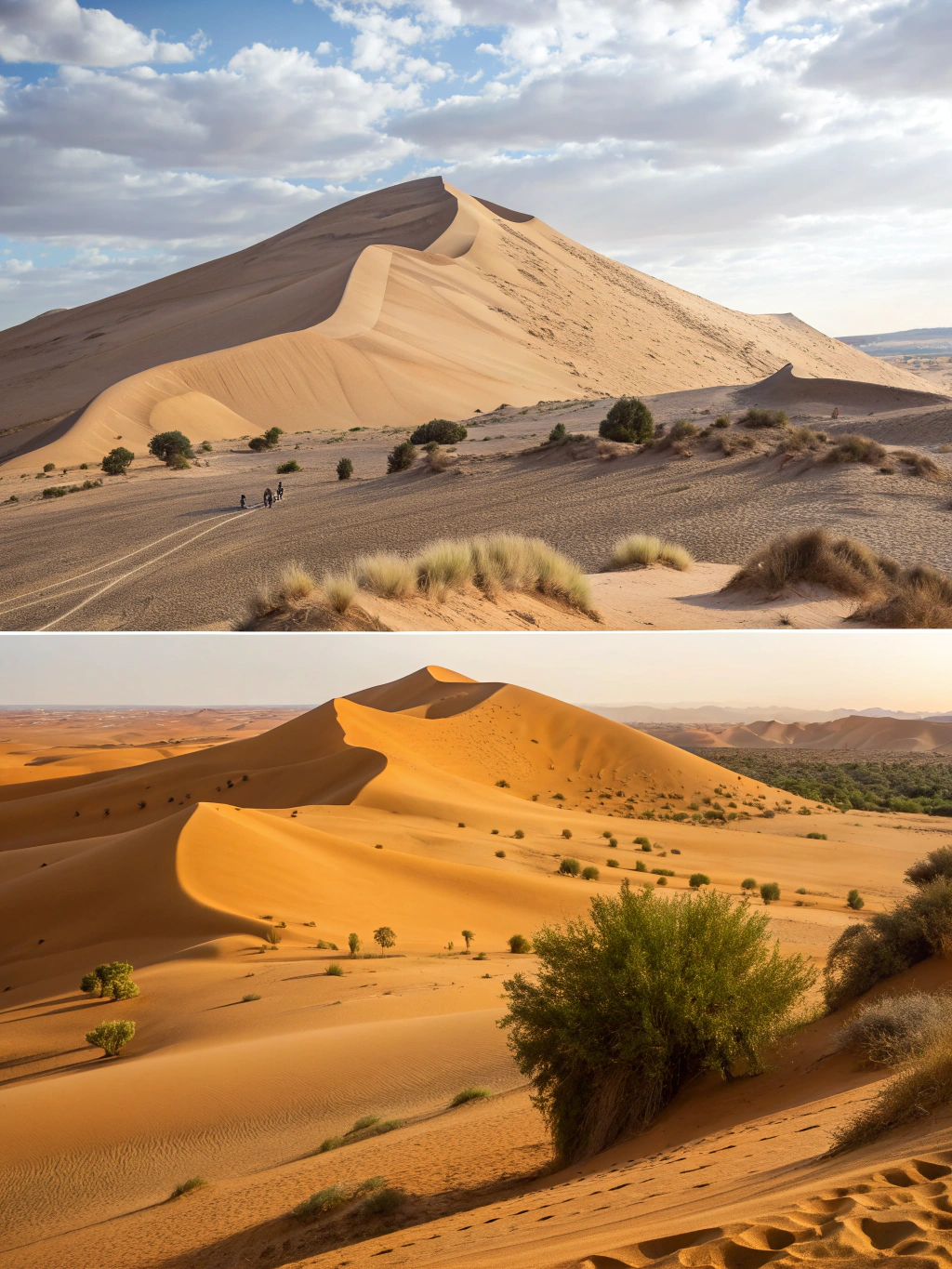
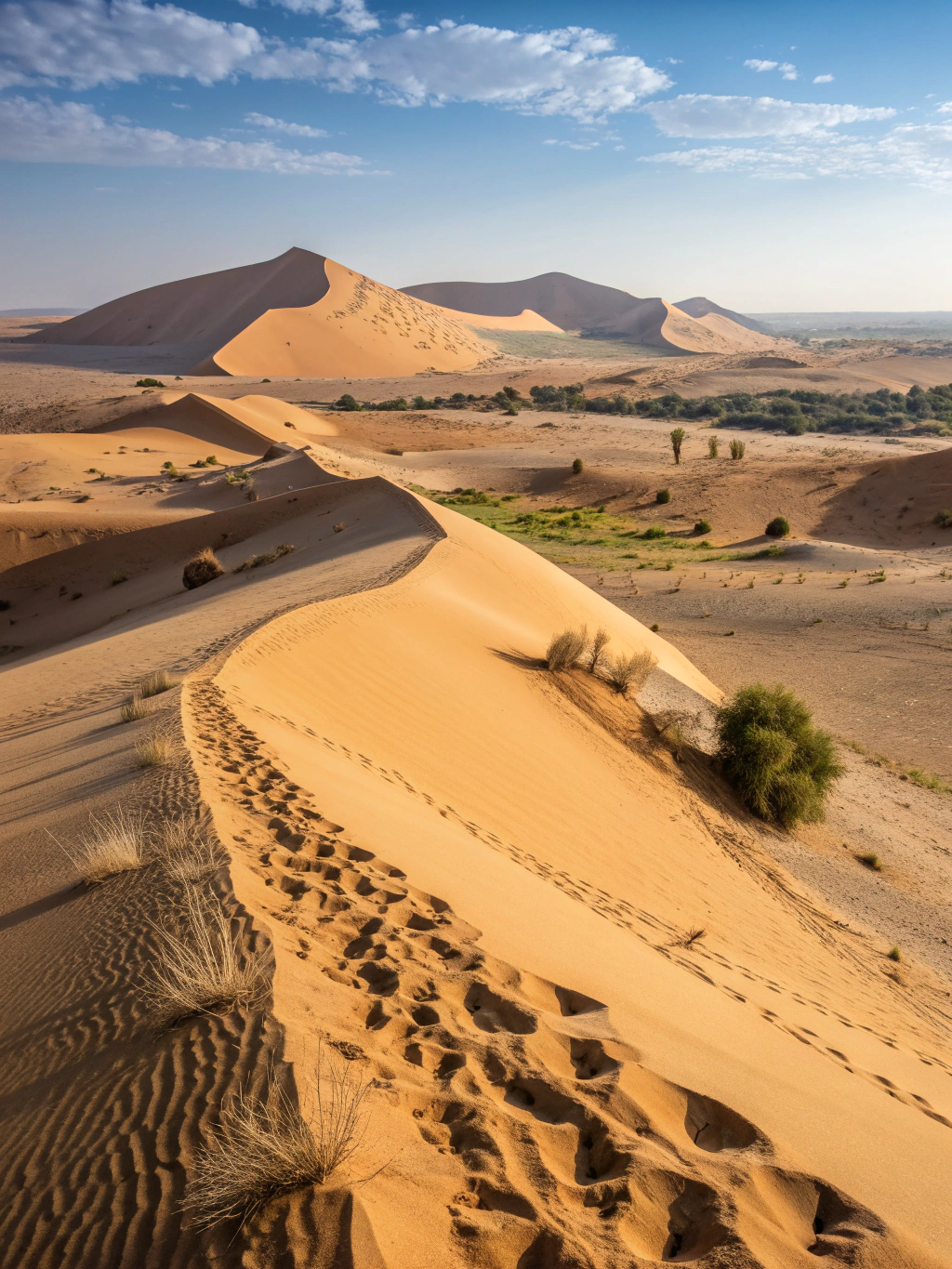
Is the Sahara a single sea of identical dunes, or do distinct regions deliver entirely different adventures? For travelers weighing Erg Chebbi vs Erg Chigaga, the differences are real: dune height and shape, accessibility, crowd levels, and tour style all vary. We break down the key differences in dunes, accessibility, tour options, and overall experience to help you choose the perfect Sahara Desert adventure for your trip to Morocco. Quick snapshot: Erg Chebbi (near Merzouga) offers towering dunes up to roughly 150 meters with easy access by paved road; Erg Chigaga (near M’Hamid) delivers wilder, less developed dunes that can reach 200–300 meters, but requires a 4×4 approach over 2–3 hours of off-road tracks.
- Introduction
- Essentials & Must-Dos
- Timing & Scheduling
- Step-by-Step Itinerary
- Day 1: Marrakech to the Desert Gateways (Dades or Zagora)
- Day 2: Into the Dunes—Choose Your Adventure
- Day 3: Sunrise and the Scenic Return
- Health & Safety Advisories
- Alternative Routes & Experiences
- Suggested Activities & Pairings
- Common Mistakes to Avoid
- Logistics & Storing Tips
- Conclusion
- FAQs
Essentials & Must-Dos
- Sun armor: Broad-spectrum SPF 50, SPF lip balm, polarized sunglasses, and a wide-brim hat or cheche (desert scarf). Tip: a light merino buff doubles as a sand and sun shield.
- Layers for temperature swings: Breathable long sleeves for daytime, fleece or down jacket for chilly nights (desert nights can drop below 10°C in winter).
- Footwear: Closed-toe, breathable trekking shoes or desert boots; sandals for camp. Fine sand gets everywhere—gaiters help.
- Hydration & electrolytes: 2–3 liters per person per day, plus electrolyte packets for long camel rides or hikes.
- Navigation: Instead of a paper map, use an eSIM or local SIM for Google Maps (download offline maps of Merzouga, M’Hamid, and the Draa Valley).
- Power: 10,000–20,000 mAh power bank; desert camps often rely on solar and have limited charging windows.
- Cash & small bills: ATMs are sparse beyond Rissani/Zagora. Bring small denominations for tips and local snacks.
- Headlamp with red light mode: Essential for stargazing and navigating camp without spoiling your night vision.
- Responsible travel kit: Refillable bottle, reusable cutlery, small trash bag. Avoid single-use plastics in fragile desert ecosystems.
- Must-do experiences: Camel trek at golden hour, 4×4 dune drive, sandboarding, tea with a nomad family, sunrise ridge walk, and a star bath under the Milky Way.
Timing & Scheduling
– Ideal months: October–April for cooler days and crisp desert nights. Shoulder seasons (March–May, Sept–Nov) balance comfort with lower crowds.
– Heat alert: June–August can exceed 40–45°C midday—plan dawn/dusk activities and rest at midday if traveling then.
– Trip duration:
– Erg Chebbi from Marrakech: Typically 3 days/2 nights (Marrakech–Dades/Todra–Merzouga–Marrakech).
– Erg Chigaga from Marrakech: 3–4 days/2–3 nights (Marrakech–Zagora/M’Hamid–Chigaga–Marrakech) due to the off-road approach.
– Drive times (no major stops): Marrakech to Merzouga 8–9 hours by paved road; Marrakech to M’Hamid ~8–9 hours plus 2–3 hours off-road to reach the Chigaga dunes.
– Savings: Shoulder season often yields 15–25% lower rates versus peak holidays, plus greater camp availability.
– Festive calendar: Ramadan shifts yearly; expect adjusted schedules and meal times. Winter skies are clearest for stargazing; spring paints the Draa Valley’s palm groves in fresh greens.
Step-by-Step Itinerary
Day 1: Marrakech to the Desert Gateways (Dades or Zagora)
– Morning: Depart via the High Atlas and Tizi n’Tichka Pass. Stretch your legs at viewpoints and consider a guided stop in Aït Ben Haddou (UNESCO site).
– Afternoon:
– Erg Chebbi route: Continue to Dades or Tinghir for canyon viewpoints along the “Road of a Thousand Kasbahs.”
– Erg Chigaga route: Aim for Zagora or M’Hamid, the final settlement before the off-road stretch.
– Evening: Enjoy a tagine dinner and rest—tomorrow is dune day.
Day 2: Into the Dunes—Choose Your Adventure
– Erg Chebbi (Merzouga):
– Start with a traditional Moroccan breakfast, then a short transfer to the dunes—no off-road required.
– Camel trek at sunset to a desert camp, followed by mint tea, drum circle by the fire, and stargazing. Optional sandboarding before dinner.
– Erg Chigaga (M’Hamid):
– Switch to a 4×4 for 2–3 hours across rugged hamada. The approach heightens the sense of remoteness.
– Arrive to vast, untamed dunes with fewer visitors. Climb a ridge for sunset, then enjoy a candlelit dinner and a sky ablaze with stars.
Day 3: Sunrise and the Scenic Return
– Sunrise: Hike a dune ridge for a soft pink-and-gold dawn. Photographers: bring a wide-angle lens and a microfiber cloth for sand.
– Erg Chebbi exit: Consider a detour via Rissani market or the fossils of Erfoud, then ascend the Atlas back to Marrakech.
– Erg Chigaga exit: Return by 4×4 to M’Hamid and drive north through the Draa Valley’s kasbahs and palms, with stops for tea and photos.
Health & Safety Advisories
– Vaccinations: Ensure routine vaccines are up to date; many travelers also consider Hepatitis A and Typhoid (consult CDC/WHO guidance or your national health service).
– Hydration and heat: Drink regularly, even when not thirsty. Carry oral rehydration salts in summer.
– Sun and sand: Reapply sunscreen, wear UV clothing, and protect eyes from blowing sand during windy spells.
– Road safety: The High Atlas has sharp bends—use experienced drivers, avoid night driving, and schedule frequent breaks.
– Food and water: Eat hot, freshly cooked meals; choose bottled or filtered water. Bring a small first-aid kit with antihistamines and anti-diarrheals.
– Respectful travel: Dress modestly in villages, ask before photographing people, and learn basic greetings in Darija or Tamazight.
– Security: Morocco is generally stable; review the latest advisories from your foreign office or embassy and register your trip if recommended.
Alternative Routes & Experiences
– For the adventure seeker: Choose Erg Chigaga for multi-day 4×4 traverses, navigation across dry lakebeds, and true off-grid camping.
– For the first-timer or family: Erg Chebbi offers short transfers, more amenities, and a wide range of camp standards—from budget to luxury glamping.
– For photographers: Chebbi’s perfectly shaped dunes near Merzouga provide easy sunrise/sunset access; Chigaga offers wilder lines and fewer footprints.
– For culture lovers: Add homestays in the Draa Valley, pottery in Tamegroute, or Gnawa music in Khamlia near Merzouga.
– Departing from Marrakech: Many travelers prefer curated Erg Chigaga tours from Marrakech to handle the off-road logistics, or private transfers to Merzouga that free up time for extra activities.
Suggested Activities & Pairings
– Pair with Aït Ben Haddou and Ouarzazate film studios.
– Hike Todra Gorge or Dades Valley for a canyon-and-dune combo.
– Learn to bake sand bread with nomad hosts or join a Berber cooking class.
– Astronomy night: Request a telescope session in winter for the best clear skies.
– Wellness touch: Book a hammam in Marrakech before or after your desert leg to soothe travel-weary muscles.
Common Mistakes to Avoid
– Underestimating distances: Morocco is big; plan realistic daily drives and add buffer time for photo stops and roadworks.
– Skipping layers: Even in spring, nights can be cold. Bring a warm mid-layer and socks for camp.
– Not confirming camp access: Some camps require 4×4 transfers—coordinate pickups to avoid last-mile surprises.
– Bringing the wrong shoes: Flip-flops aren’t ideal for ridge walks; opt for breathable, closed-toe footwear.
– Forgetting cash: Card acceptance is limited in the desert. Carry small bills for tips and local purchases.
– Overpacking: Soft duffels pack better into 4x4s and camel panniers than hard suitcases.
Logistics & Storing Tips
– Digital safety: Save passports, insurance, and itineraries in a secure cloud folder and on your phone offline.
– Connectivity: Use an eSIM or local SIM with ample data; download offline maps and translation packs.
– Money management: Split cash between a money belt and a zipped pouch; keep an emergency stash with a photocopy of your passport.
– Battery discipline: Charge during camp’s solar hours; switch phones to airplane mode overnight and bring spare camera batteries.
– Packing system: Use compression cubes; dedicate a sand-safe pouch for lenses and electronics with silica gel packets.
Conclusion
Choosing between Erg Chebbi and Erg Chigaga comes down to your travel style. If you want accessible dunes, a range of camps, and quick wow-factor, Erg Chebbi is ideal. If you crave remoteness, off-road adventure, and fewer people, head for Erg Chigaga. Either way, the Sahara’s sunrise, silence, and starlight will stay with you long after your footprints fade. Ready to plan? Save this guide, share it with your travel partner, and explore our related desert resources to build your perfect itinerary.
FAQs
– Which has taller dunes, Erg Chebbi or Erg Chigaga?
Erg Chigaga is often cited with higher peaks (up to roughly 200–300 m) and a wilder spread; Erg Chebbi’s classic star dunes rise to about 150 m and are exceptionally photogenic.
– Is Erg Chigaga suitable for kids?
Yes, with proper planning—schedule short dune walks at dawn/dusk, bring sun protection and snacks, and use a reputable operator with child-size gear.
– Do I need a 4×4?
For Erg Chebbi, paved roads reach Merzouga and many camps provide short transfers. Erg Chigaga requires a 4×4 from M’Hamid due to sand tracks and rocky hamada.
– Can I visit on a weekend from Marrakech?
A 2-day dash is possible to Zagora (not the big ergs). For major dunes, budget 3 days for Erg Chebbi and 3–4 for Erg Chigaga.
– What’s the best time for stargazing?
Winter months offer the clearest skies; avoid full moon periods for the darkest nights.
– Are camel treks ethical?
Choose operators that limit working hours, provide shade/water for animals, and maintain visible care standards; walk part of the way if you prefer to reduce load.
– How do I compare tour prices fairly?
Look at what’s included: private vs shared transport, 4×4 time, camp category, meals, activities, and pickup/drop-off locations—not just the headline price.


to Merzouga for your desert experience, timing arrival for late afternoon to avoid midday heat. Camel trekking