
- Essentials & Must-Dos
- Timing & Scheduling
- Step-by-Step Itinerary
- Day 1-2: Atlas Mountain Berber Villages
- Day 3-4: Artisan Workshops and Traditional Crafts
- Day 5-6: Nomadic Desert Experience
- Day 7-8: Coastal Berber Communities
- Health & Safety Advisories
- Alternative Routes & Experiences
- Suggested Activities & Pairings
- Common Mistakes to Avoid
- Logistics & Storing Tips
- Conclusion
- FAQs
Did you know that Morocco’s Berber tribes have sustained their nomadic traditions for over 3,000 years, maintaining cultural practices that predate the arrival of Islam by centuries? The morocco nomadic tribes berber culture represents one of North Africa’s most enduring indigenous civilizations, where ancient Amazigh heritage continues to thrive across the Saharan dunes and Atlas Mountain valleys. From the Tuareg caravans traversing the Erg Chebbi to the Ait Atta communities shepherding livestock through seasonal migrations, these resilient people have mastered the art of desert survival while preserving their unique linguistic, artistic, and spiritual traditions that form the backbone of Morocco’s cultural identity.
Essentials & Must-Dos
Preparing for an authentic Berber cultural immersion requires careful consideration of both practical necessities and cultural sensitivities. Pack lightweight, long-sleeved clothing in earth tones to blend respectfully with traditional dress codes while protecting against intense desert sun and evening chills. Essential items include a quality UV-protection scarf (or consider purchasing a traditional Berber tagelmust upon arrival), sturdy closed-toe walking shoes for rocky terrain, and a portable water purification system for remote village visits.
Cultural preparation proves equally important: download offline translation apps for Tamazight phrases, research local gift-giving customs (small items from your home country make meaningful exchanges), and prepare your palate for traditional foods like tagine and mint tea. Instead of standard travel guides, consider ethnographic resources about Amazigh history to deepen your understanding. Bring a respectful curiosity about traditional practices like carpet weaving, silver jewelry crafting, and oral storytelling traditions that have preserved Berber knowledge across generations.
Timing & Scheduling
Optimal timing for experiencing authentic Berber culture spans October through April, when desert temperatures remain comfortable for extended outdoor activities and traditional celebrations frequently occur. Spring months (March-May) offer the added benefit of wildflower blooms in mountain valleys, while winter provides clear, starlit nights perfect for traditional storytelling around desert fires.
Plan minimum 8-10 days for meaningful cultural immersion, allowing 2-3 days each for Atlas Mountain villages, Saharan nomadic encounters, and coastal Berber communities. According to Morocco’s Ministry of Tourism data, travelers visiting during shoulder seasons (November-December, February-March) experience 30% fewer crowds and save approximately 25% on accommodation costs compared to peak winter months.
Visa processing requires 10-15 business days for most nationalities, while cultural tour bookings should be secured 4-6 weeks in advance to ensure availability with reputable Berber guides who can provide authentic family homestay experiences.
Step-by-Step Itinerary
Day 1-2: Atlas Mountain Berber Villages
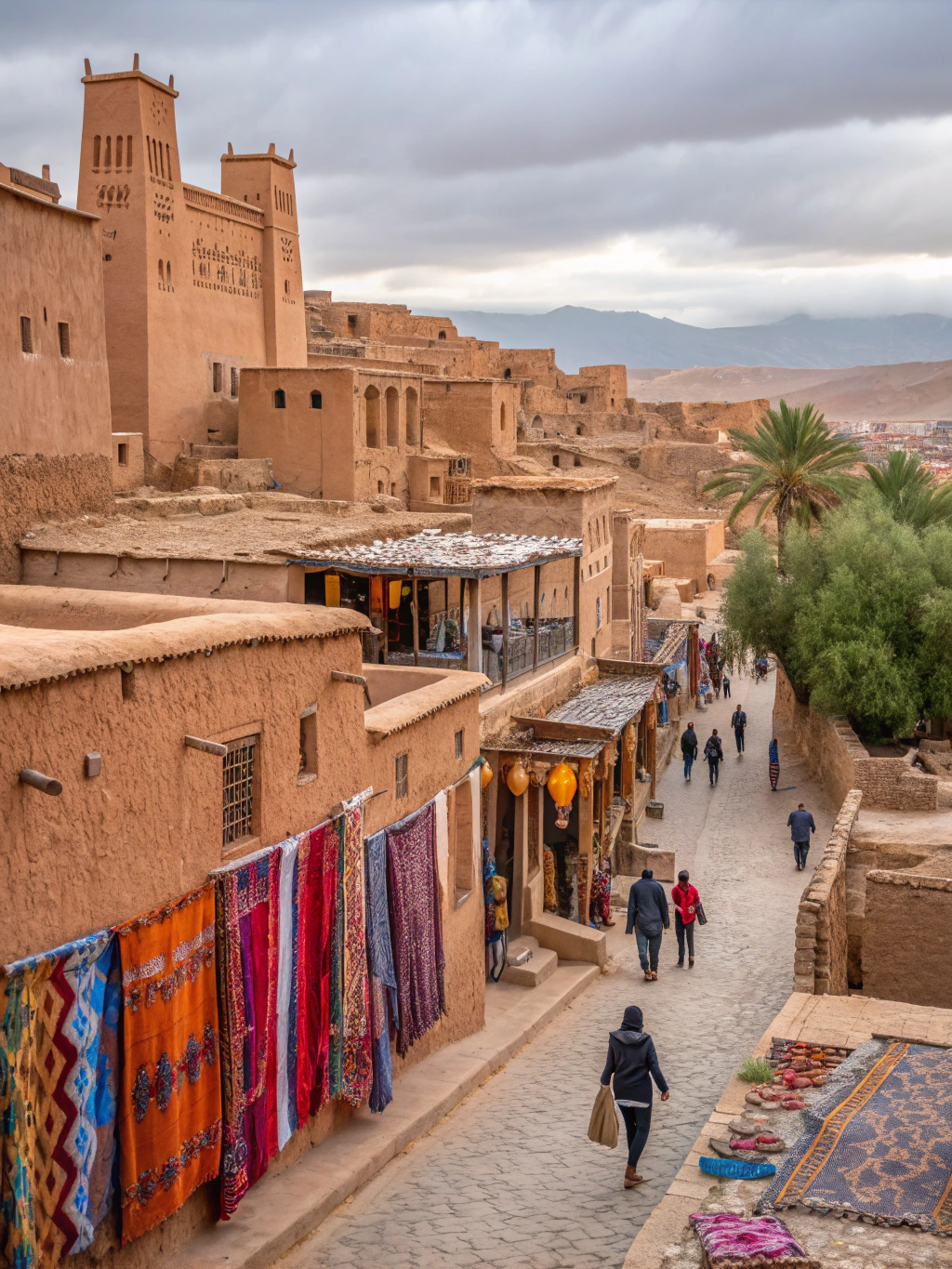
Begin your cultural journey in the High Atlas Mountains, specifically the Imlil Valley, where traditional Berber architecture cascades down mountainsides like ancient stone waterfalls. Start each morning with traditional breakfast of fresh bread, local honey, and mountain herbs while learning basic Tamazight greetings from your host family. Participate in daily activities such as shepherding sheep to highland pastures or harvesting seasonal crops, experiencing the rhythm that has sustained mountain communities for millennia.
Day 3-4: Artisan Workshops and Traditional Crafts
Immerse yourself in the intricate world of Berber craftsmanship through hands-on workshops in carpet weaving and silver jewelry making. Visit the renowned weaving cooperatives of Telouet, where women create intricate geometric patterns that tell stories of tribal identity and personal history. Each carpet requires 2-3 months to complete, with colors derived from natural materials like saffron, pomegranate, and indigo.
Day 5-6: Nomadic Desert Experience
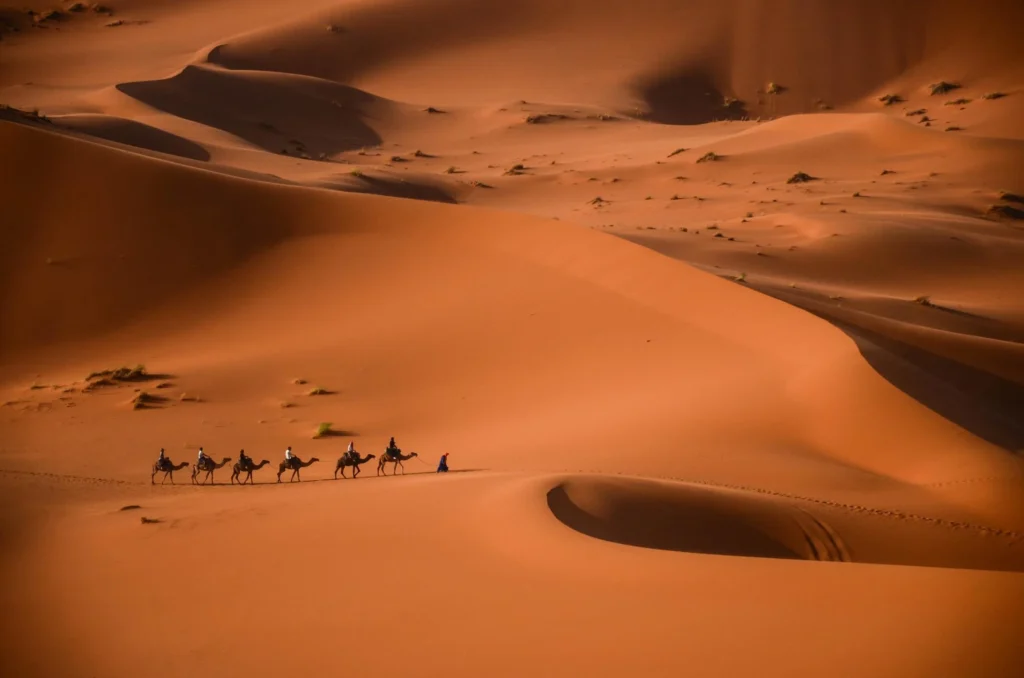
Journey to the Erg Chebbi dunes near Merzouga for an authentic nomadic experience with semi-permanent Berber families who continue seasonal migrations. Learn traditional navigation techniques using stars and landscape markers, participate in camel herding, and discover how families preserve food and water for desert survival. Evening storytelling sessions around fires reveal oral histories passed down through 40+ generations.
Day 7-8: Coastal Berber Communities
Explore the distinct maritime Berber culture along Morocco’s Atlantic coast, particularly around Essaouira and Taghazout. Witness how coastal tribes adapted traditional practices to fishing and marine environments, creating unique boat-building techniques and preserving methods for seafood that reflect their nomadic heritage adapted to oceanic rhythms.
Health & Safety Advisories
According to the CDC and Morocco’s Ministry of Health, no specific vaccinations are required for travel to Berber regions, though routine vaccines (measles, mumps, rubella, tetanus) should be current. Hepatitis A vaccination is recommended for travelers planning extended rural stays. The primary health concern involves altitude adjustment when visiting High Atlas communities above 2,500 meters elevation.
Respect cultural sensitivities by dressing modestly, particularly when visiting religious sites or during family interactions. Photography requires permission, especially of women and children, as many traditional communities maintain privacy customs. Avoid public displays of affection and alcohol consumption, which may conflict with local values regardless of religious observance.
Remote areas may have limited emergency services, making comprehensive travel insurance essential. Register with your embassy and maintain communication schedules with trusted contacts during desert excursions.
Alternative Routes & Experiences
For Budget-Conscious Travelers: Focus on High Atlas village homestays (€15-25 per night) and public transport between destinations. Join group cultural tours through local cooperatives rather than private guides, reducing costs by 40-60% while supporting community-based tourism initiatives.
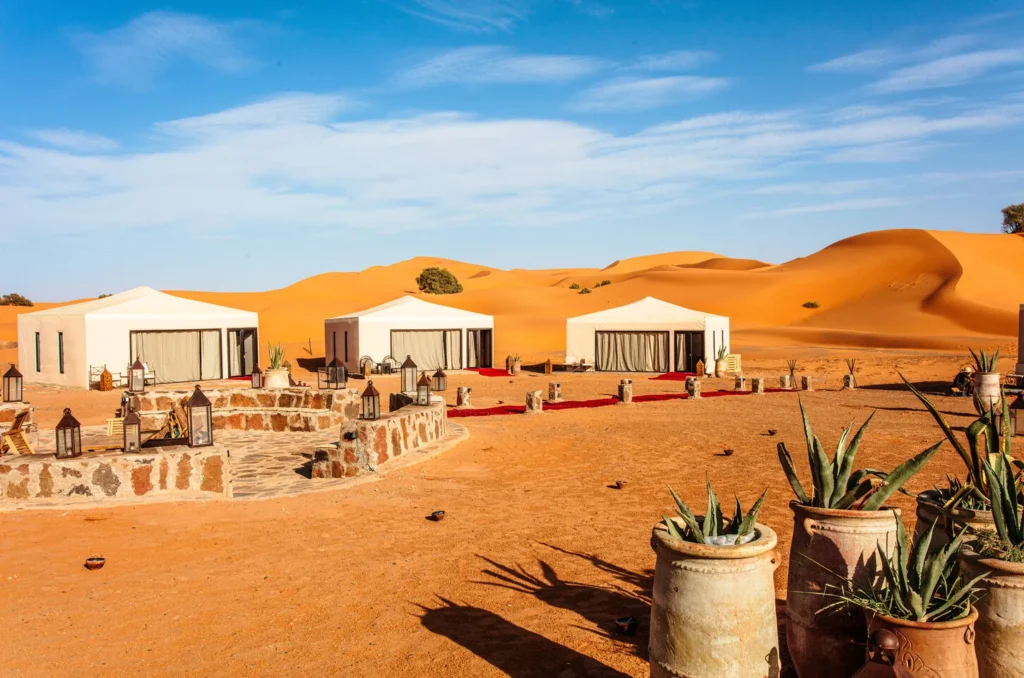
For Luxury Seekers: Combine traditional experiences with premium desert camps featuring traditional Berber design with modern amenities. Private cultural guides and exclusive access to artisan workshops provide intimate experiences while maintaining authentic cultural elements.
For Adventure Enthusiasts: Incorporate traditional Berber hiking routes through Atlas peaks, combining cultural immersion with challenging treks that nomadic peoples have used for trade and seasonal migrations for centuries.
Suggested Activities & Pairings
Enhance your Berber cultural experience by pairing village visits with traditional cooking classes featuring tagine preparation and bread baking in communal ovens. The aromatic blend of preserved lemons, olives, and slow-cooked meats creates unforgettable sensory memories while teaching sustainable food preservation techniques developed for nomadic lifestyles.
Consider timing visits with traditional festivals such as the annual Imilchil Marriage Festival (September) or local moussems (religious celebrations) that showcase authentic music, dance, and poetry. Traditional Berber music sessions featuring bendir drums and flute create magical evening experiences under desert stars.
Combine cultural experiences with hammam visits in traditional bathhouses, where Berber communities gather for social interaction and wellness practices using argan oil and natural exfoliants indigenous to Morocco.
Common Mistakes to Avoid
Common Mistake: Assuming all Berber experiences are identical across regions. Reality: Mountain, desert, and coastal Berber communities have developed distinct cultural variations based on their environmental adaptations over centuries.
Common Mistake: Bringing inappropriate gifts or attempting to photograph without permission. Solution: Research cultural protocols beforehand and always ask consent, particularly in sacred or private spaces.
Common Mistake: Expecting English proficiency in remote villages. Preparation: Learn basic French or Arabic phrases, as these serve as common languages alongside Tamazight in most Berber communities.
Common Mistake: Underestimating physical demands of traditional activities. Many authentic experiences involve walking on uneven terrain, sleeping in traditional accommodations, and adapting to unfamiliar foods.
Logistics & Storing Tips
Protect digital devices from desert sand using sealed plastic bags and portable solar chargers for extended periods without electricity. Store backup copies of important documents with trusted tour operators and maintain both digital and physical currency reserves, as remote villages operate primarily on cash transactions.
Organize clothing in compression bags to maximize luggage space while keeping traditional garments wrinkle-free for cultural ceremonies. Pack medications in clearly labeled containers with prescription documentation, as replacement pharmaceuticals may be unavailable in remote areas.
Maintain detailed travel journals to preserve cultural insights and personal reflections, as the berber tribes morocco, nomadic culture morocco, amazigh people, morocco berber villages cultural tours create profound experiences that deserve careful documentation for future reflection and sharing.
Conclusion
The enduring legacy of Morocco’s nomadic Berber culture offers travelers an extraordinary window into humanity’s most successful adaptation to challenging environments. From the intricate social structures that govern desert survival to the artistic traditions that preserve ancestral wisdom, experiencing authentic Amazigh heritage provides profound insights into sustainable living and community resilience. Whether you’re drawn to the rhythmic chants echoing across Atlas valleys or the star-filled silence of Saharan nights, these cultural encounters will fundamentally reshape your understanding of Morocco beyond its famous imperial cities. Start planning your transformative journey into this living heritage today, and discover why the Berber saying “The caravan passes, but the desert remains” continues to resonate across centuries of nomadic wisdom.
FAQs
Q: What’s the best way to find authentic Berber cultural experiences?
A: Partner with community-based tourism cooperatives and certified cultural guides who are members of local Berber communities. Avoid mass tourism operators in favor of family-run businesses that directly benefit indigenous communities.
Q: Can vegetarians participate in traditional Berber meals?
A: Absolutely. Traditional Berber cuisine includes many plant-based dishes featuring vegetables, legumes, and grains. Inform your hosts about dietary restrictions, and they’ll gladly accommodate with traditional vegetarian tagines and couscous variations.
Q: How physically demanding are authentic Berber cultural experiences?
A: Physical requirements vary significantly. Village visits involve moderate walking on uneven terrain, while nomadic experiences may include camel riding and desert hiking. Most activities can be adapted for different fitness levels with advance communication.
Q: What languages should I learn before visiting Berber communities?
A: Basic Arabic or French phrases prove most universally helpful, as these serve as common languages alongside Tamazight. Learning simple Tamazight greetings shows cultural respect and often delights local communities.
Q: How much should I budget for authentic Berber cultural experiences?
A: Budget €40-80 per day for mid-range experiences including accommodation, meals, and guided activities. Luxury options range €150-300 daily, while budget travelers can experience authentic culture for €25-40 daily through homestays and group activities.