
- Introduction
- Essentials & Must-Dos
- Timing & Scheduling
- Step-by-Step Itinerary
- Day 1: Departure from Marrakech to Rabat
- Day 2: Rabat to Chefchaouen via Meknes
- Day 3: Full Day Exploring Chefchaouen
- Health & Safety Advisories
- Alternative Routes & Experiences
- Suggested Activities & Pairings
- Common Mistakes to Avoid
- Logistics & Storing Tips
- Conclusion
- FAQs
Introduction
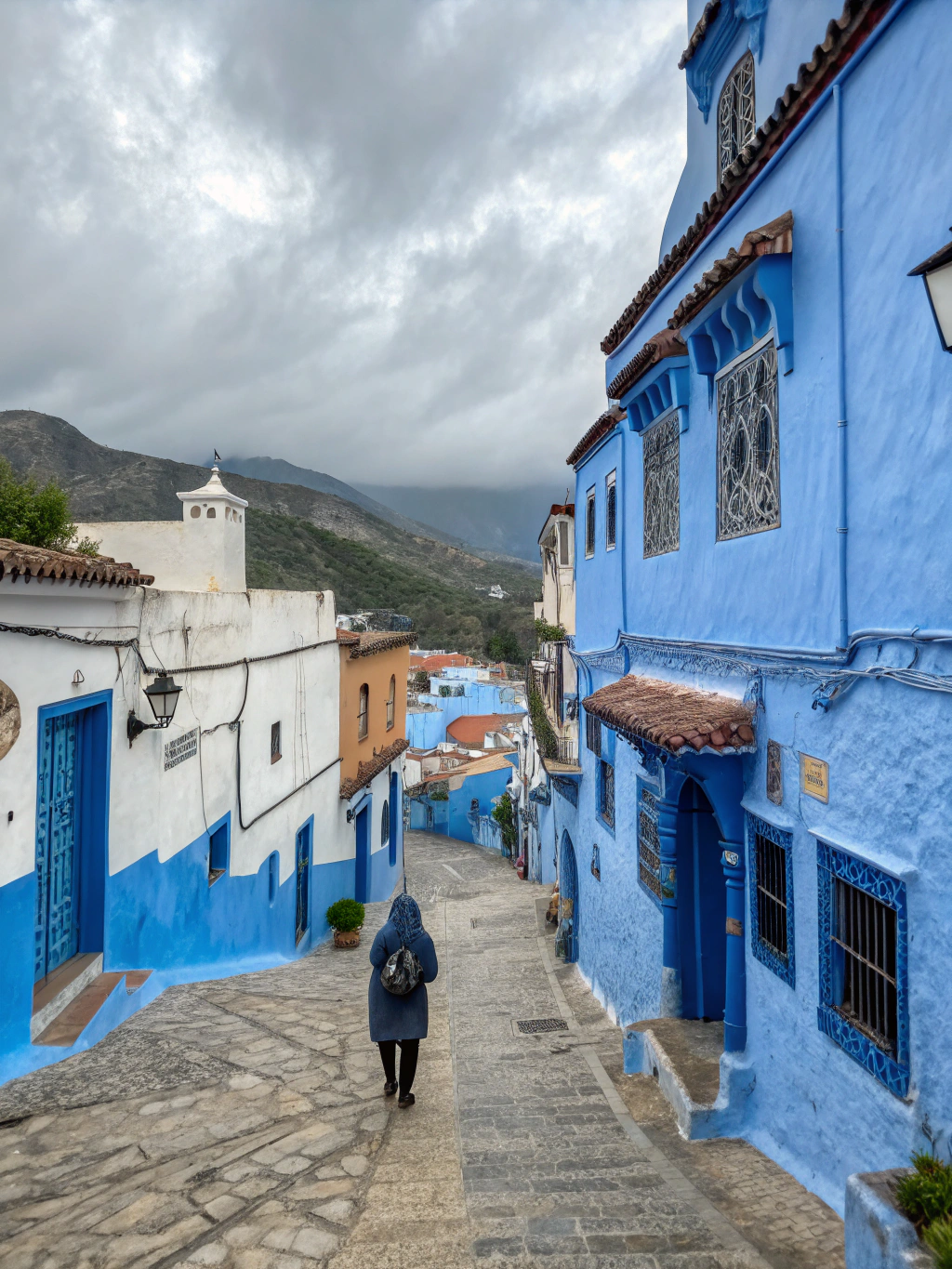
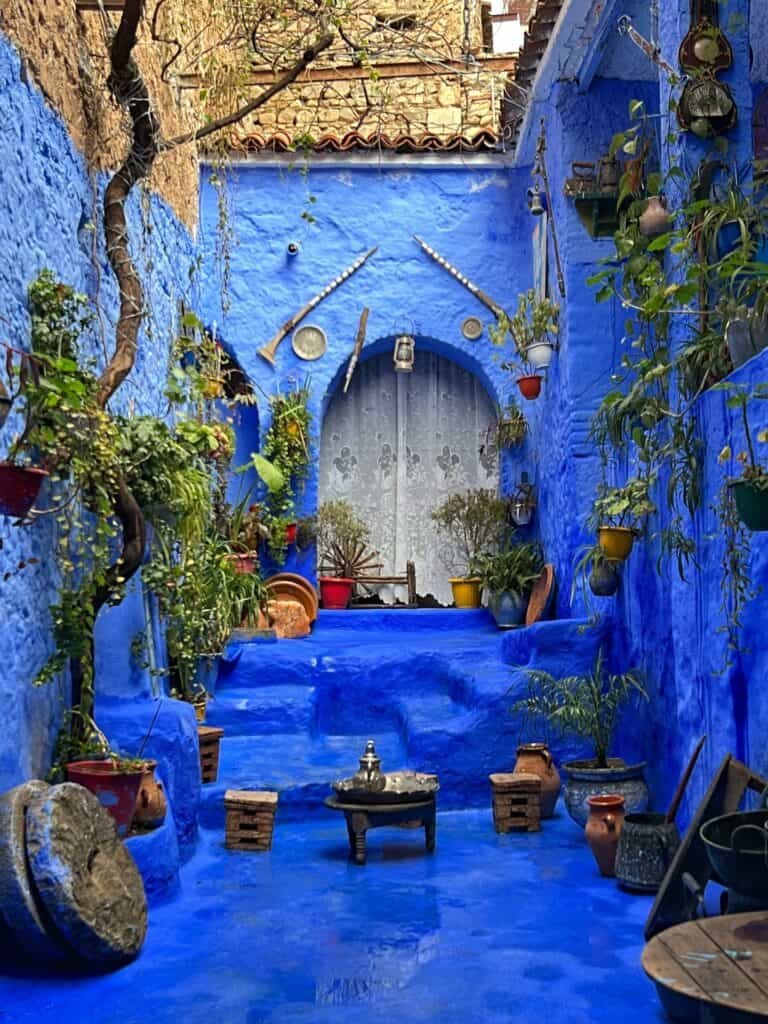
Is Morocco simply a country of bustling souks and desert adventures, or does it hold hidden gems that offer tranquil escapes high in the mountains? The answer lies in the enchanting blue-painted streets of Chefchaouen, nestled in the Rif Mountains. A chefchaouen tour from marrakech offers travelers an extraordinary journey through diverse landscapes, from the red ochre walls of Marrakech to the striking azure alleyways of northern Morocco’s most photogenic destination. This comprehensive guide will help you plan the perfect multi-day adventure, comparing itineraries, transportation options, and must-see photography spots along the way.
Essentials & Must-Dos
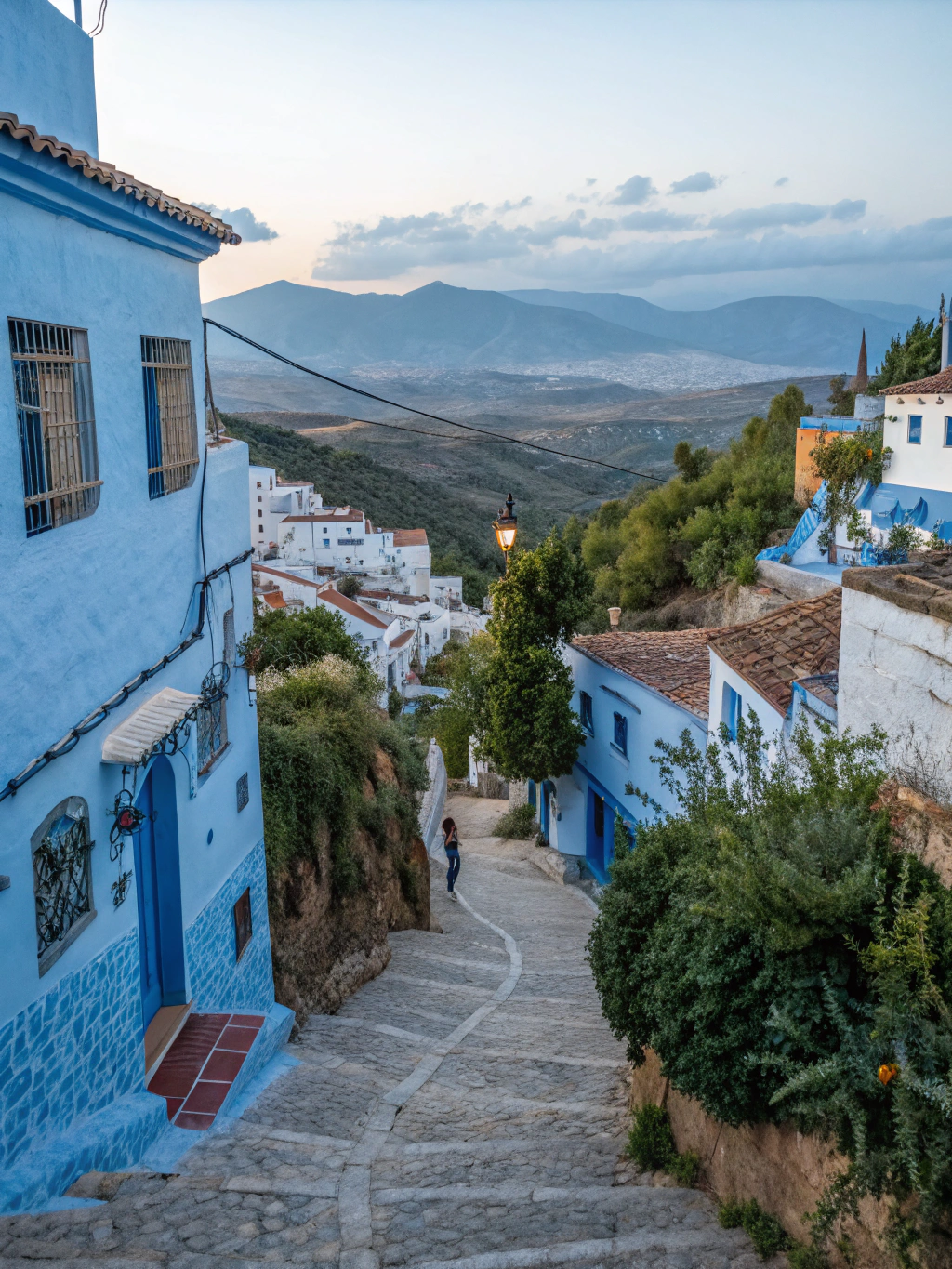
Planning your journey requires careful preparation to ensure a seamless experience. Pack comfortable walking shoes with good grip for navigating Chefchaouen’s steep, cobblestone streets. Bring layers of clothing as mountain temperatures can drop significantly in the evenings, even during summer months. A portable phone charger and power bank are essential for capturing those Instagram-worthy blue city moments without worrying about battery life.
Instead of relying solely on guidebooks, download offline maps and translation apps to navigate confidently. Pack a universal adapter since electrical outlets may vary between accommodations. Bring small denomination bills (20-50 dirham notes) for local vendors and tips. A lightweight daypack is crucial for day excursions, while a good camera or smartphone with extra storage will help you capture the mesmerizing blue architecture that makes Chefchaouen legendary among photographers worldwide.
Timing & Scheduling
The optimal time for a Marrakech to Chefchaouen, blue city tours, Rif Mountains travel, multi-day tours Morocco, northern Morocco trips spans from April to June and September to November. During these shoulder seasons, you’ll save approximately 25% on accommodation costs compared to peak summer months, while enjoying comfortable temperatures ranging from 18-25°C in Chefchaouen.
Allow 2-3 weeks for visa processing if required for your nationality. The minimum recommended duration is 3 days, with 4-5 days being ideal for a comprehensive experience. Summer temperatures in Marrakech can exceed 40°C, making the cooler mountain climate of Chefchaouen a welcome relief. Winter visits (December-February) offer fewer crowds but bring cooler temperatures and potential rainfall in the Rif Mountains.
Step-by-Step Itinerary
Day 1: Departure from Marrakech to Rabat
Start your adventure with an early 8:00 AM departure from Marrakech, heading north toward Morocco’s capital city. The 320-kilometer journey takes approximately 3.5 hours by private vehicle or organized tour bus. Break your journey in Casablanca for lunch and a brief visit to the Hassan II Mosque, one of the world’s largest mosques with stunning oceanside architecture.
Arrive in Rabat by late afternoon and explore the UNESCO World Heritage sites including the Hassan Tower and Kasbah of the Udayas. The ancient fortress walls overlook the Atlantic Ocean, offering spectacular sunset views. Spend the night in Rabat to break up the long journey to Chefchaouen.
Day 2: Rabat to Chefchaouen via Meknes
Depart Rabat after breakfast for the scenic 280-kilometer drive through the Middle Atlas foothills toward Chefchaouen. Stop in Meknes, one of Morocco’s four imperial cities, to explore the impressive Bab Mansour gate and the bustling El Hedim Square. This UNESCO World Heritage site offers insight into Morocco’s rich historical tapestry.
Continue through increasingly mountainous terrain as you approach the Rif Mountains. The landscape transforms dramatically, with olive groves and pine forests replacing the plains. Arrive in Chefchaouen by late afternoon, allowing time to settle into your riad accommodation and take an initial stroll through the famous blue-painted medina as golden hour light creates magical photography opportunities.
Day 3: Full Day Exploring Chefchaouen
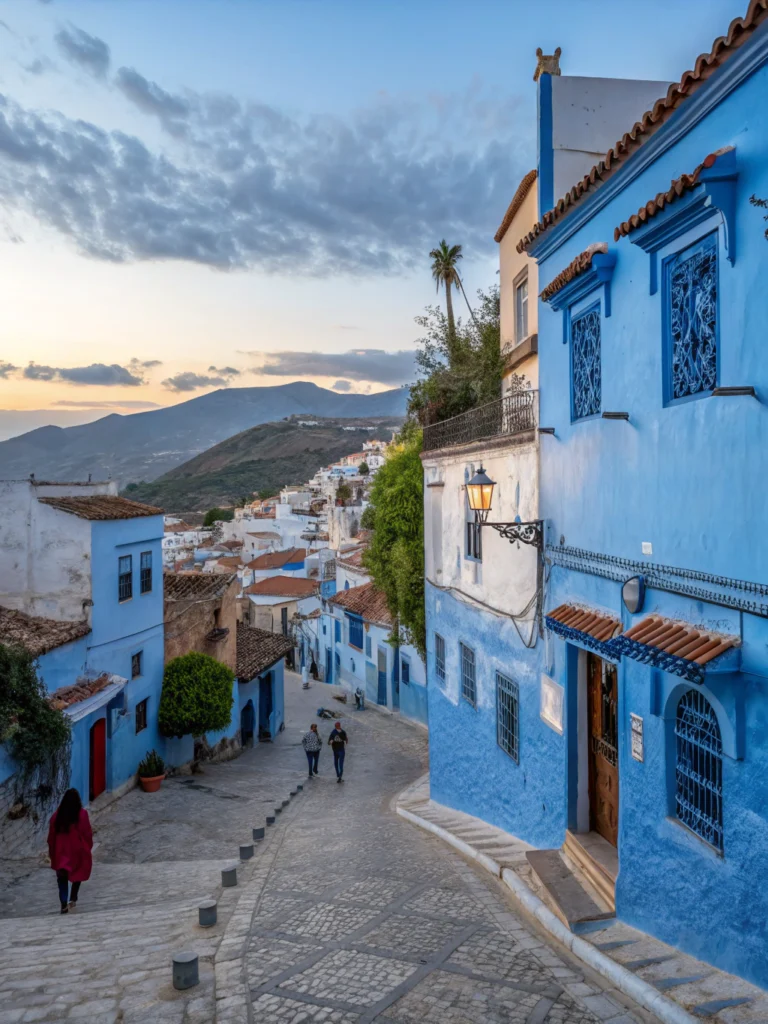
Begin with sunrise photography in the medina when soft morning light illuminates the blue walls without crowds. Visit the central Plaza Uta el-Hammam for traditional Moroccan breakfast at a local café. Explore the Kasbah museum and gardens, offering panoramic views over the city’s distinctive blue rooftops toward the surrounding peaks.
Hike to the Spanish Mosque (30-minute walk uphill) for breathtaking panoramic views, especially stunning during sunset. The trek rewards visitors with Instagram-worthy shots of the entire blue city spread below. Spend your afternoon wandering the narrow alleyways, shopping for local handicrafts including woolen goods and traditional pottery unique to the region.
Health & Safety Advisories
According to the CDC and UK Foreign Office travel advisories, no special vaccinations are required for Morocco beyond routine immunizations. However, hepatitis A and typhoid vaccinations are recommended for travelers planning to eat street food or visit rural areas. Drink bottled water and avoid ice in drinks outside of reputable establishments.
The crime rate in Chefchaouen is significantly lower than in larger Moroccan cities, with petty theft being the primary concern. Keep valuables secure and avoid displaying expensive electronics openly. Mountain roads can be winding and narrow; if driving independently, ensure your vehicle is in excellent condition and avoid night driving. Emergency services can be contacted at 190 (police) and 150 (medical emergencies).
Alternative Routes & Experiences
For budget-conscious travelers: Consider taking the CTM bus from Marrakech to Chefchaouen (approximately $25-30) with an overnight stop in Fez. This option takes longer but reduces costs by 60% compared to private tours while offering authentic local transportation experiences.
For luxury seekers: Opt for a private driver with premium vehicle and stays in boutique riads or luxury hotels. Include helicopter transfers for aerial photography opportunities and private guided tours with professional photographers to capture the perfect shots.
For adventure enthusiasts: Extend your journey with hiking excursions in Talassemtane National Park, located just outside Chefchaouen. Multi-day treks through cedar forests and traditional Berber villages offer authentic cultural immersion beyond the typical tourist experience.
Suggested Activities & Pairings
Pair your Chefchaouen visit with a traditional Moroccan cooking class featuring regional specialties like tagine with goat cheese, unique to the Rif Mountains region. Photography workshops led by local experts can enhance your blue city shots with insider knowledge of the best angles and lighting conditions.
Consider combining your trip with visits to nearby Tetouan, known as the “White Dove,” offering contrasting architecture just 60 kilometers away. For beach lovers, the Mediterranean coastal town of Martil provides a relaxing conclusion to your mountain adventure, featuring pristine beaches and fresh seafood restaurants.
Common Mistakes to Avoid
Common Mistake: Not bringing small bills for local vendors and tips. Chefchaouen’s small businesses often cannot break large denomination notes, leading to frustrating shopping experiences.
Photography Error: Visiting only during midday when harsh sunlight washes out the blue colors. The optimal photography times are early morning (7-9 AM) and late afternoon (5-7 PM) when softer light enhances the blue hues.
Cultural Oversight: Wearing revealing clothing in this conservative mountain town. Dress modestly, especially when visiting religious sites or interacting with local families. Long pants and covered shoulders are recommended for both men and women.
Logistics & Storing Tips
Store digital copies of your passport, travel insurance, and important documents in cloud storage accessible offline. Download currency conversion apps before departure, as internet connectivity can be limited in mountainous areas. Carry a mixture of cash and cards, but note that many small businesses in Chefchaouen operate on a cash-only basis.
Pack a portable laundry kit for extended stays, as laundry services may be limited. Store electronics in waterproof cases during the rainy season (November-March). Keep a physical map as backup navigation, since GPS signals can be unreliable in the narrow medina streets.
Conclusion
A Chefchaouen tour from Marrakech offers an unforgettable journey through Morocco’s diverse landscapes and cultures, from imperial cities to mountain retreats. This multi-day adventure provides perfect opportunities for photography, cultural immersion, and personal discovery in one of North Africa’s most enchanting destinations. Whether you choose a budget-friendly bus journey or luxury private tour, the blue pearl of Morocco will leave lasting memories and stunning photographs.
Ready to start planning your blue city adventure? Share your travel dates in the comments below, and don’t forget to explore our related guides on Morocco’s imperial cities and Atlas Mountain excursions.
FAQs
Q: How long is the drive from Marrakech to Chefchaouen?
A: The direct drive takes approximately 7-8 hours covering 600 kilometers. Most tours include overnight stops to break up the journey and explore additional destinations.
Q: What’s the best time of year to visit Chefchaouen?
A: April-June and September-November offer the best weather conditions with mild temperatures and minimal rainfall. These shoulder seasons also provide better photography conditions and fewer crowds.
Q: Can I visit Chefchaouen as a day trip from Marrakech?
A: While technically possible, it’s not recommended due to the 14-16 hour round trip driving time. A minimum 2-3 day trip allows proper exploration and rest.
Q: Is Chefchaouen safe for solo female travelers?
A: Yes, Chefchaouen is considered one of Morocco’s safest destinations for solo female travelers, with lower harassment rates than larger cities. Basic precautions and modest dress are still recommended.
Q: What makes Chefchaouen’s buildings blue?
A: The tradition began in the 1930s when Jewish refugees painted buildings blue for spiritual and practical reasons. The practice continued and became the city’s defining characteristic, maintained today primarily for tourism appeal.


[…] Travelers: Join organized religious tours through Chefchaouen‘s blue-painted medina, where Sufi traditions create particularly moving Ramadan experiences. […]