
- Introduction
- Essentials & Must-Dos
- Timing & Scheduling
- Step-by-Step Itinerary
- Day 1: Arrival and Sacred Ground
- Day 2: Deep Immersion in Sacred Rhythms
- Day 3: Cultural Fusion and Community
- Day 4: Integration and Farewell
- Health & Safety Advisories
- Alternative Routes & Experiences
- Suggested Activities & Pairings
- Common Mistakes to Avoid
- Logistics & Storing Tips
- Conclusion
- FAQs
Introduction
Is the gnawa music festival essaouira guide simply another world music event, or does it represent one of the most spiritually profound cultural experiences on the African continent? This ancient Moroccan tradition, rooted in centuries-old healing rituals and sacred ceremonies, transforms the coastal city of Essaouira into a mesmerizing convergence of spiritual music, international artists, and authentic cultural exchange. With over 500,000 visitors annually and performances by more than 200 artists from across the globe, the Gnawa Festival stands as Morocco’s largest celebration of spiritual music and cultural fusion.
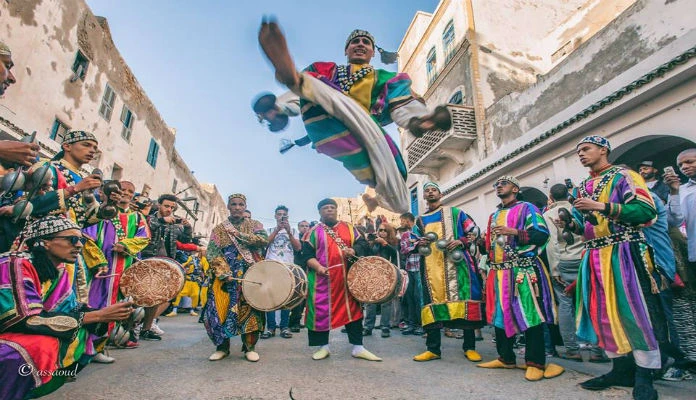
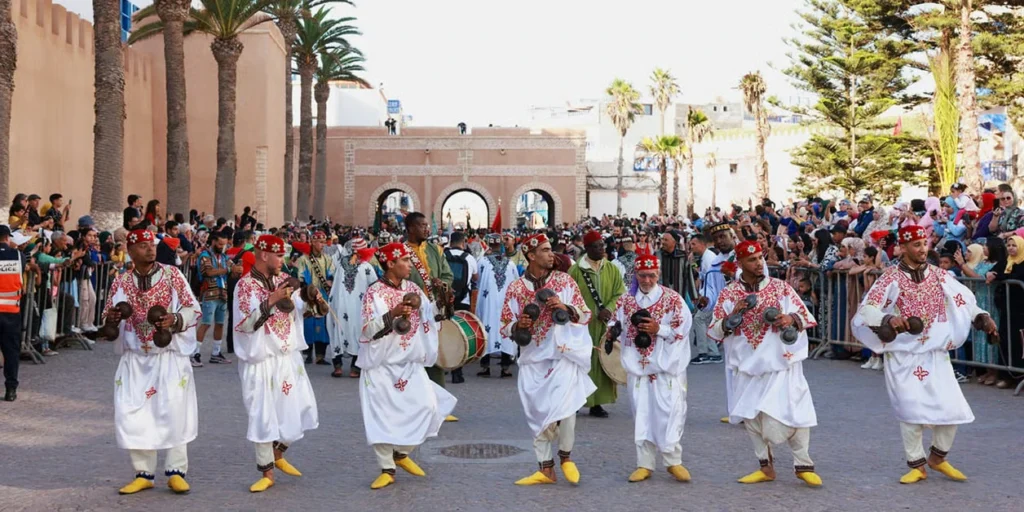
The festival’s unique blend of traditional Gnawa healing ceremonies with contemporary world music creates an atmosphere unlike any other cultural event worldwide. Attendees witness the powerful lila ceremonies, where master musicians (maâlems) guide spiritual healing sessions through hypnotic rhythms and call-and-response chants that have remained unchanged for generations. This comprehensive guide ensures you experience every sacred rhythm, spiritual ceremony, and transformative moment that makes Essaouira’s Gnawa Festival an essential pilgrimage for music lovers and spiritual seekers alike.
Essentials & Must-Dos
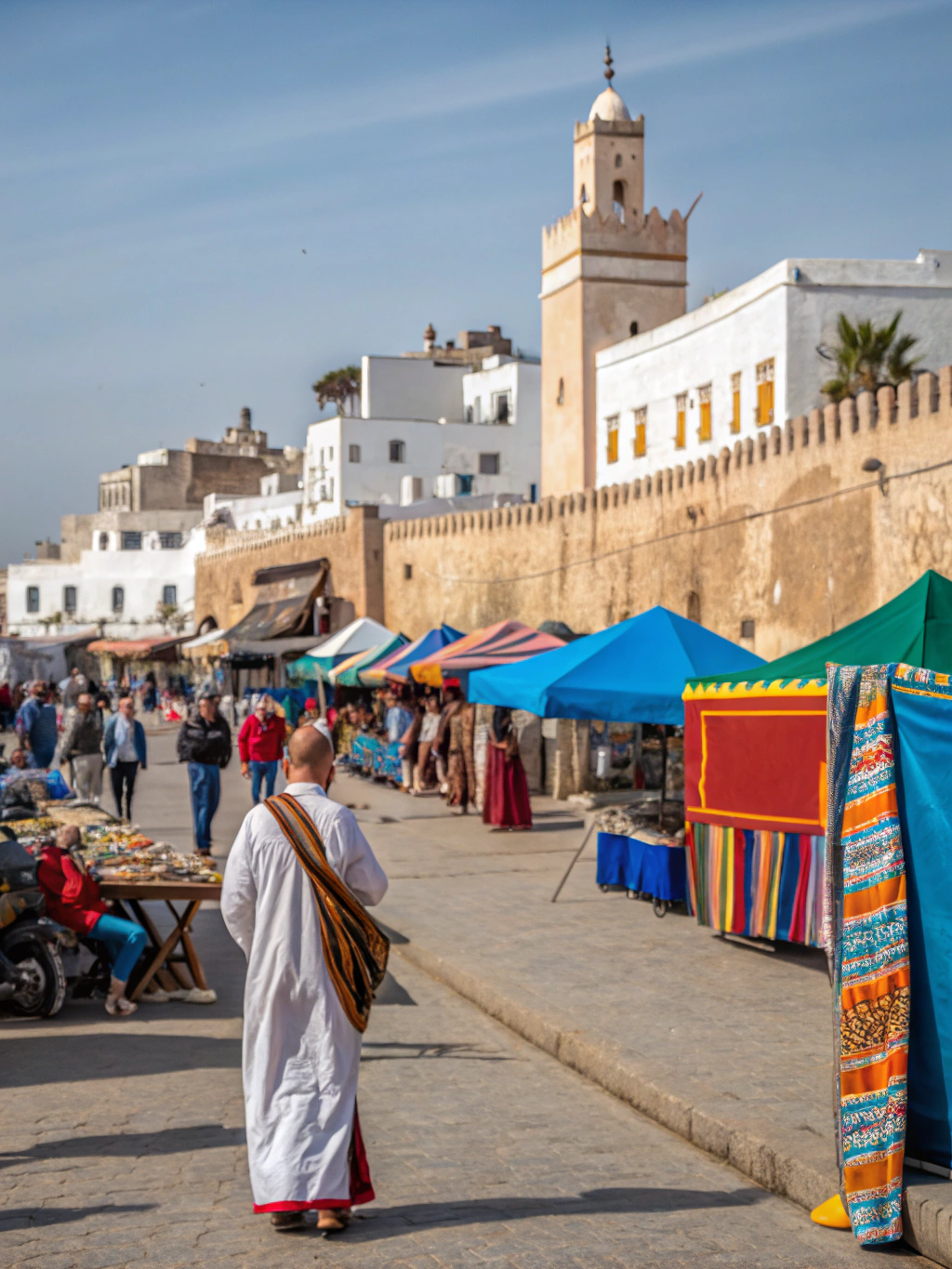
Your festival experience requires careful preparation to fully immerse yourself in both the spiritual and practical aspects of this transformative event. Pack lightweight, breathable clothing in earth tones that respect the sacred nature of ceremonies while keeping you comfortable during outdoor performances. Essential items include a quality pair of noise-canceling headphones for intimate listening sessions, a portable phone charger with Moroccan adapters, and comfortable walking shoes capable of handling both cobblestone medina streets and beach venues.
Consider bringing a small notebook and pen to document the profound musical moments and spiritual insights that emerge during lila ceremonies. Instead of traditional guidebooks, download offline maps and the official festival app for real-time schedule updates and venue changes. Pack sunscreen with high SPF protection, as Essaouira’s coastal location intensifies UV exposure, and bring a light jacket for evening performances when Atlantic breezes create surprisingly cool temperatures.
Currency essentials include both credit cards and cash in small denominations (10-50 dirham notes) for vendor transactions, street food, and traditional craftspeople selling handmade instruments. A reusable water bottle becomes crucial for staying hydrated during long performance days, while a small daypack allows hands-free movement through crowded venues and spontaneous drum circles that form throughout the medina.
Timing & Scheduling
Festival preparation requires a minimum of 8-12 weeks advance planning, with visa applications processed within 15-30 days for most international visitors. The gnawa festival 2025, essaouira music events, moroccan spiritual music, world music festival morocco typically occurs during the last weekend of June, offering optimal weather conditions with average temperatures ranging from 18-24°C (64-75°F) and minimal rainfall probability.
Booking accommodations during the shoulder season (May or September) can reduce costs by 35-50% compared to festival dates, though you’ll miss the concentrated cultural experience. Festival weekend accommodation prices increase by 200-300%, making early reservations essential. The event spans four intensive days, with programming beginning Thursday evening and concluding Sunday night, requiring a minimum 5-7 day Morocco visit for full immersion.
Peak performance hours occur between 6 PM and 2 AM, when traditional lila ceremonies begin and international fusion collaborations reach their creative zenith. Morning workshops and master classes start at 10 AM, providing intimate learning opportunities with renowned maâlems and international artists. Plan rest periods between 2-5 PM when afternoon heat peaks and many venues close for traditional siesta periods.
Step-by-Step Itinerary
Day 1: Arrival and Sacred Ground
Begin your spiritual journey by arriving in Essaouira Thursday morning, allowing time to acclimate to the medina’s mystical atmosphere before evening ceremonies commence. Check into your riad within the UNESCO World Heritage medina walls, preferably near Place Moulay Hassan where main stage events unfold. Spend afternoon hours exploring the historic Skala fortress and ramparts, where Jimi Hendrix once found inspiration and where festival organizers now host intimate acoustic sessions.
Visit the traditional instrument makers’ workshops in the medina’s artisan quarter, where master craftsmen create the sacred qraqeb (metal castanets) and sintir (bass lute) used in Gnawa ceremonies. Purchase a small qraqeb set to participate authentically in call-and-response segments during evening performances. As sunset approaches, position yourself near the main stage for the opening ceremony, where elderly maâlems perform the traditional fatiha blessing that consecrates the festival space.
Day 2: Deep Immersion in Sacred Rhythms
Awaken early for the 10 AM masterclass sessions, where renowned musicians like Maâlem Mahmoud Guinea or Hassan Hakmoun share centuries-old techniques and spiritual significance behind each rhythm pattern. These intimate workshops, limited to 50 participants, provide unprecedented access to sacred knowledge typically passed down through family lineages. Take detailed notes on the seven sacred mluk (spiritual entities) honored through specific musical sequences.
Afternoon brings the collaborative fusion workshops, where international artists learn to integrate their styles with traditional Gnawa frameworks. Witness jazz musicians, flamenco guitarists, and electronic producers discovering new creative territories while respecting ancient spiritual protocols. Evening programming intensifies with full lila ceremonies beginning at 8 PM, lasting until dawn. Choose one primary ceremony to experience completely rather than venue-hopping, as the spiritual journey requires sustained attention and presence.
Day 3: Cultural Fusion and Community
Saturday represents the festival’s peak energy, with over 15 simultaneous venues hosting everything from traditional healing ceremonies to contemporary world music fusion. Begin at the beach stages where sunrise sessions blend Gnawa rhythms with Atlantic Ocean soundscapes. The morning’s programming includes family-friendly workshops where children learn basic rhythm patterns and cultural significance.
Dedicate afternoon hours to the artisan markets surrounding performance venues, where traditional craftspeople, healers, and food vendors create a vibrant cultural ecosystem. Sample traditional festival foods like tagine prepared with special ceremonial spices and atay (mint tea) blessed by spiritual leaders. Evening culminates with the grand collaboration concerts, where international headliners join Gnawa masters for once-in-a-lifetime musical conversations that bridge continents and centuries.
Day 4: Integration and Farewell
Sunday morning provides reflection opportunities through guided meditation sessions incorporating Gnawa spiritual practices. Attend the 11 AM closing ceremony where community leaders, artists, and attendees share gratitudes and intentions for carrying the festival’s transformative energy into daily life. The final afternoon offers last chances to purchase authentic instruments, artwork, and recordings directly from performing artists.
Evening concludes with sunset ceremonies at the harbor, where traditional fishing boats decorated with festival colors create a stunning visual backdrop for farewell performances. Many attendees describe this closing ritual as the most emotionally powerful moment, combining gratitude, community connection, and spiritual integration into a profound send-off experience.
Health & Safety Advisories
Current health requirements include routine vaccinations (measles, mumps, rubella, hepatitis A and B) with no specific vaccinations mandated for Morocco entry. However, consult your healthcare provider 4-6 weeks before travel for personalized recommendations based on your health history and planned activities. The CDC reports low health risks for Essaouira, though travelers should exercise standard precautions regarding food and water safety.
Festival venues maintain high security standards with local police presence and medical stations staffed by qualified healthcare professionals. Emergency services operate 24/7 during festival dates with English-speaking coordinators available. Avoid drinking tap water and opt for sealed bottled water or properly treated alternatives to prevent gastrointestinal issues that could impact your festival experience.
Respect cultural sensitivities by dressing modestly, especially when entering sacred ceremony spaces. Women should carry lightweight scarves for covering shoulders and hair when requested. Alcohol consumption is permitted in licensed venues but discouraged during spiritual ceremonies. Photography requires permission during sacred rituals, with many maâlems preferring no flash photography during healing sessions.
Alternative Routes & Experiences
Budget-conscious travelers can reduce costs by 40-60% through strategic planning alternatives. Instead of medina riads ($200-400/night during festival), consider accommodations in nearby coastal towns like Safi or Oualidia ($50-80/night) with daily shuttle services to Essaouira. Purchase day passes ($25-35) rather than full festival packages ($150-200) if focusing on specific artists or ceremonies.
Luxury seekers can enhance their experience through exclusive packages offered by premium hotels like Villa Maroc or Riad Mimosineutrality, including private transportation, VIP viewing areas, and meet-and-greet opportunities with renowned artists. These packages ($800-1500 per person) include sommelier-selected wine pairings with traditional foods and private guided tours of historic sites between performances.
Solo travelers benefit from organized group experiences through cultural tour companies offering festival-focused itineraries with like-minded participants. These programs provide safety, community, and expert cultural guidance while maintaining flexibility for personal exploration and spiritual discovery.
Suggested Activities & Pairings
Enhance your festival experience by pairing musical immersion with traditional Moroccan cooking classes featuring recipes used during Gnawa ceremonies. Local cooking schools offer special festival workshops where participants prepare harira soup and ceremonial breads while learning about food’s role in spiritual practices. These sessions, typically held during afternoon performance breaks, provide cultural context and practical skills.
Combine festival attendance with authentic hammam experiences at traditional bathhouses, where purification rituals prepare mind and body for spiritual ceremonies. Book sessions during midday breaks to refresh between intensive musical performances. The physical cleansing and relaxation enhance your ability to remain present during long evening ceremonies.
Consider extending your visit to include High Atlas Mountains day trips, where Gnawa traditions originated through historical connections between Berber communities and sub-Saharan African cultures. These excursions provide geographical and historical context that deepens appreciation for the music’s cultural significance and spiritual power.
Common Mistakes to Avoid
First-time attendees often make the critical error of attempting to experience every performance and venue, leading to exhaustion and superficial engagement. Instead, choose 2-3 primary experiences per day and allow time for deep immersion and reflection. Quality of spiritual connection matters more than quantity of performances attended.
Avoid photographing or recording during sacred ceremonies without explicit permission. Many spiritual moments are considered private healing sessions where cameras create intrusive disruptions. Respect the sacred nature of lila ceremonies by maintaining quiet, attentive presence rather than treating them as entertainment spectacles.
Don’t neglect proper hydration and nutrition during intensive performance days. The combination of excitement, heat, and physical activity can lead to dehydration and energy crashes that diminish your festival experience. Eat substantial meals before evening ceremonies and carry water during all activities.
Logistics & Storing Tips
Organize digital documents through cloud storage apps accessible offline, including festival tickets, accommodation confirmations, and emergency contact information. Create physical backup copies stored separately from electronic devices. Download offline translation apps for Arabic and French phrases related to music, food, and basic needs.
Manage currency efficiently by using ATMs within the medina for better exchange rates than airport currency exchanges. Notify your bank of travel dates to prevent card blocking. Keep daily spending money in a secure money belt, carrying only small amounts in easily accessible pockets for quick vendor transactions.
Protect electronic devices from sand and humidity through waterproof cases, especially for phones and cameras used during beach venue performances. Bring portable chargers and Moroccan electrical adapters (Type C and E plugs) for consistent device functionality throughout long festival days.
Conclusion
The Gnawa Music Festival Essaouira represents far more than a musical event—it’s a transformative journey into ancient spiritual traditions, cultural fusion, and community celebration that leaves lasting impacts on every participant. From sacred healing ceremonies to contemporary world music collaborations, this festival offers profound experiences that connect attendees with centuries-old wisdom while celebrating innovative artistic expression.
Your participation contributes to preserving and sharing vital cultural traditions while supporting local communities and international artistic exchange. The memories, insights, and spiritual connections formed during these four transformative days in Essaouira will resonate long after the final sunset ceremony concludes.
Ready to embark on this sacred musical pilgrimage? Start planning your journey today and discover why the Gnawa Music Festival Essaouira stands as one of the world’s most spiritually powerful cultural celebrations. Share your festival experiences and connect with fellow travelers in the comments below!
FAQs
Q: What is the significance of Gnawa music in Moroccan culture?
A: Gnawa music serves as both spiritual healing practice and cultural preservation method, originating from sub-Saharan African traditions brought to Morocco through historical trade routes. The music functions as a bridge between physical and spiritual realms, with specific rhythms and chants designed to invoke healing, community connection, and spiritual transformation.
Q: Can non-Muslims participate in sacred ceremonies?
A: Yes, the festival welcomes people of all backgrounds to observe and respectfully participate in ceremonies. However, certain ritual elements remain reserved for initiated practitioners. Visitors should maintain respectful silence during healing sessions and follow guidance from ceremony leaders regarding appropriate participation levels.
Q: How expensive is attending the Gnawa Festival?
A: Total costs range from $500-2000 depending on accommodation choices, dining preferences, and activity selections. Budget travelers can attend for under $600 including flights, while luxury experiences can exceed $2000. Daily festival passes cost $25-35, with full weekend packages ranging $150-200.
Q: What language barriers might visitors encounter?
A: While Arabic and French are primary languages, many festival organizers and vendors speak basic English. Download translation apps for essential phrases, though the universal language of music transcends verbal communication barriers during most festival experiences.
Q: Is the festival suitable for families with children?
A: The festival offers family-friendly programming including morning workshops, cultural education sessions, and early evening performances. However, traditional lila ceremonies continue until dawn and may be too intense or lengthy for young children. Parents should plan age-appropriate schedules focusing on daytime activities.