- Essentials & Must-Dos
- Timing & Scheduling
- Step-by-Step Itinerary
- Day 1: Departure and Scenic Journey
- Arrival and First Exploration
- Afternoon Photography and Cultural Immersion
- Sunset and Evening Relaxation
- Health & Safety Advisories
- Alternative Routes & Experiences
- Suggested Activities & Pairings
- Common Mistakes to Avoid
- Logistics & Storing Tips
- Conclusion
- FAQs
Is Chefchaouen simply a picturesque mountain town, or is it truly the magical “Blue Pearl” that transforms every traveler’s perspective on Morocco? With over 3.2 million annual visitors drawn to its azure-painted streets, this remarkable destination has become one of North Africa’s most sought-after experiences. Planning a casablanca to chefchaouen tour opens the door to an extraordinary journey through the stunning Rif Mountains, where every cobblestone pathway tells a story painted in mesmerizing shades of blue.
Located approximately 350 kilometers northeast of Casablanca, Chefchaouen represents more than just a scenic destination—it’s a cultural immersion into Berber traditions, Spanish colonial architecture, and artistic expression that has captivated photographers and wanderers from around the globe. Whether you’re seeking a transformative day trip or planning an extended exploration of Morocco’s northern treasures, this comprehensive guide will equip you with everything needed to craft an unforgettable adventure to the Blue Pearl.
Essentials & Must-Dos
Before embarking on your blue-hued adventure, gathering the right essentials ensures a seamless and memorable experience. Pack comfortable walking shoes with good grip—Chefchaouen’s steep, cobblestone streets can be challenging to navigate in regular sneakers. Instead of relying solely on guidebooks, download offline maps and translation apps, as internet connectivity can be sporadic in the mountain regions.
Your camera or smartphone should have ample storage space and a portable charger, as the Instagram-worthy blue walls will have you capturing hundreds of photos. Bring layers of clothing since the Rif Mountains experience significant temperature variations, with morning chills giving way to warm afternoons. Cash in small denominations is essential, as many local vendors and artisans prefer dirhams over credit cards.
Don’t forget sunscreen and a wide-brimmed hat—the mountain sun can be deceptively strong, especially when reflecting off the brilliant blue surfaces. A lightweight daypack allows you to carry water, snacks, and souvenirs while keeping your hands free for photography. Consider packing a small notebook to jot down the names of local craftspeople and shops you discover, as many hidden gems aren’t easily found online.
Timing & Scheduling
The optimal window for visiting Chefchaouen spans from April to June and September to November, when temperatures hover between 20-25°C and rainfall remains minimal. Peak summer months see temperatures exceeding 35°C, while winter brings occasional frost and limited daylight hours. Traveling during shoulder seasons can reduce accommodation costs by up to 30% compared to the busy summer period.
Plan for a minimum 8-hour day trip from Casablanca, though spending 2-3 days allows for deeper exploration of the surrounding Rif Mountains and nearby villages. Early morning departures (6-7 AM) maximize your time in Chefchaouen while avoiding midday traffic around major cities. The drive typically takes 4-5 hours each way, depending on your chosen route and stops.
Photography enthusiasts should note that the famous blue walls appear most vibrant during the golden hours—early morning (7-9 AM) and late afternoon (4-6 PM). Midday lighting can wash out the blue tones, creating harsh shadows that diminish the magical atmosphere. Ramadan and major Islamic holidays may affect restaurant hours and local customs, so research religious calendars when planning your visit.
Step-by-Step Itinerary
Day 1: Departure and Scenic Journey
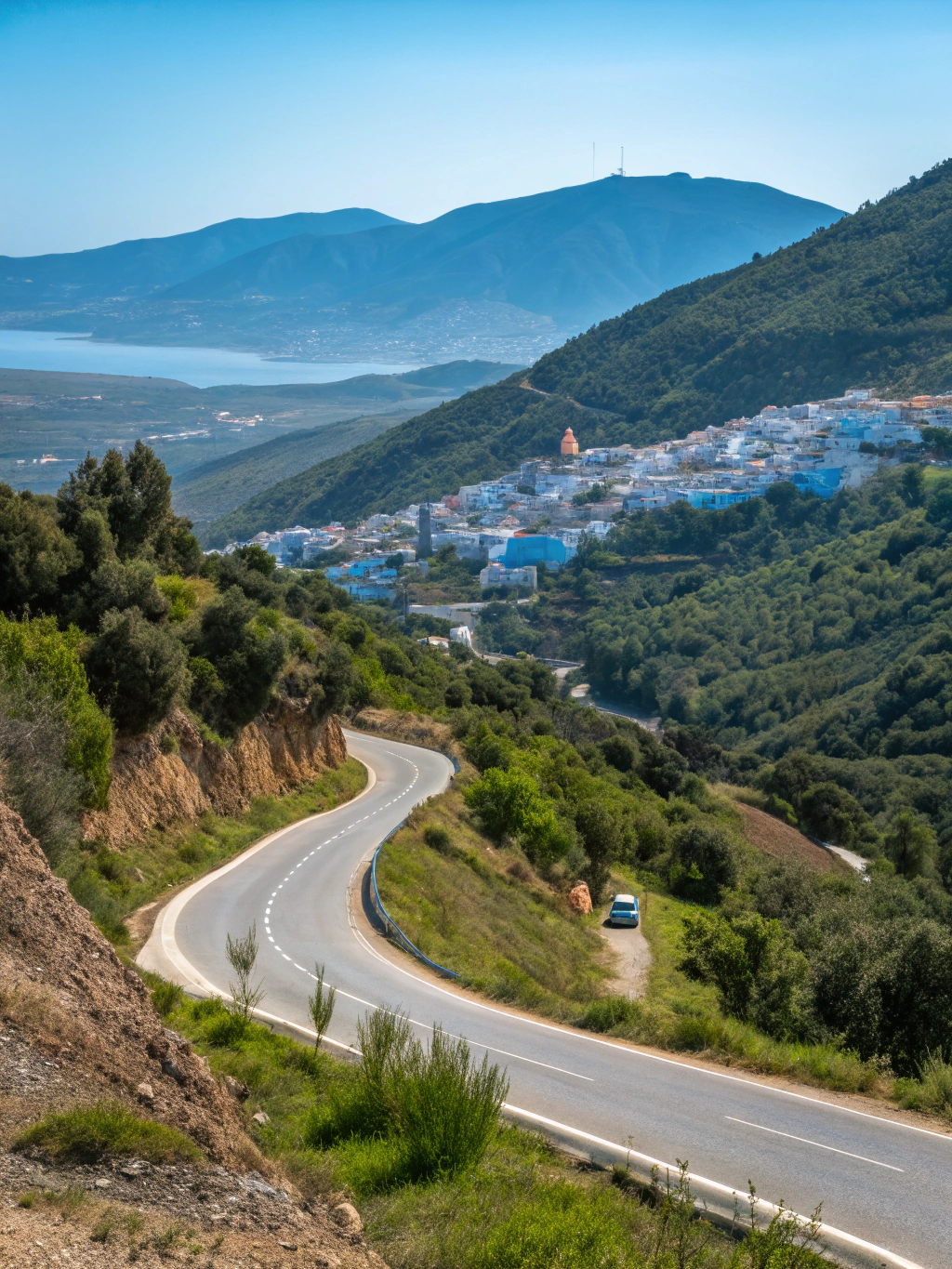
Begin your adventure with an early breakfast in Casablanca before setting off toward the Rif Mountains. The route via Rabat and Ouazzane offers the most scenic mountain vistas, while the Meknes route provides historical stops at Roman ruins and imperial cities. Your first major stop should be in Ouazzane, known as Morocco’s “Sacred City,” where you can stretch your legs and enjoy traditional mint tea.
Arrival and First Exploration
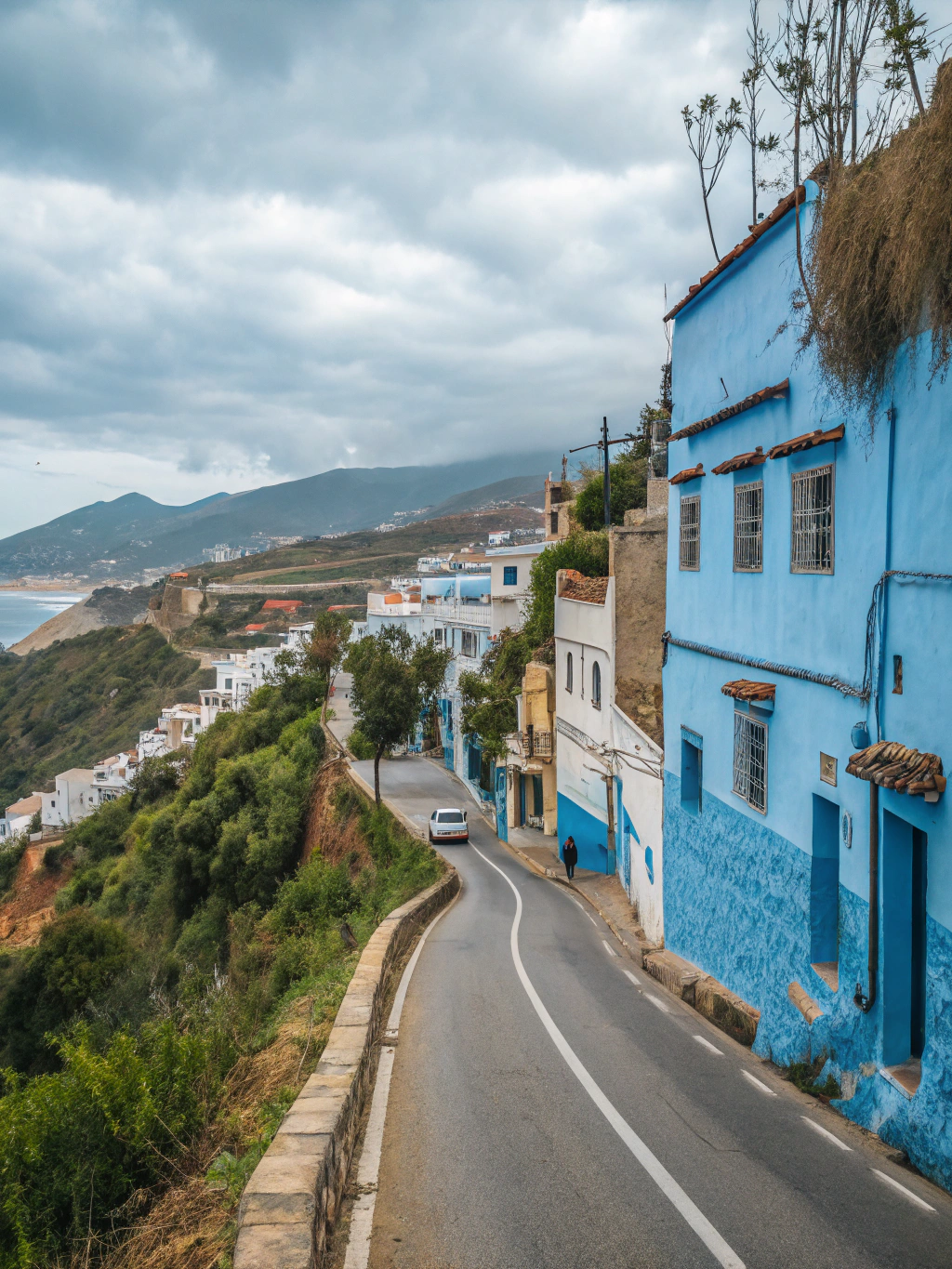
Upon reaching Chefchaouen around midday, check into your accommodation and begin exploring the medina’s lower sections. Start at Place Outa el Hammam, the main square featuring the iconic red-walled kasbah and bustling cafés. The narrow alleyways radiate outward from this central point, each painted in distinctive shades of blue that create an otherworldly atmosphere.
Afternoon Photography and Cultural Immersion
Dedicate your afternoon to wandering the residential quarters, where locals are often happy to share stories about their blue-painted homes. Visit traditional weaving cooperatives where Berber women create intricate textiles using ancient techniques. The Ethnographic Museum provides crucial context about the region’s history and the significance of the blue paint tradition.
Sunset and Evening Relaxation
Conclude your day with a hike to the Spanish Mosque, perched on a hillside overlooking the entire blue cityscape. The 45-minute trek rewards visitors with panoramic views perfect for sunset photography. Return to the medina for dinner at a rooftop restaurant, where traditional tagines taste even better with the blue city twinkling below.
Health & Safety Advisories
Morocco requires no specific vaccinations for travelers from most Western countries, though routine immunizations should be current. The CDC recommends hepatitis A and typhoid vaccinations for travelers eating outside major hotels and restaurants. Altitude sickness is rarely an issue in Chefchaouen (elevation 564 meters), but those sensitive to elevation changes should stay hydrated and avoid excessive exertion.
Traffic safety requires particular attention, as Moroccan driving styles can seem chaotic to foreign visitors. If renting a car, ensure comprehensive insurance coverage and familiarize yourself with local traffic laws. Mountain roads feature sharp curves and occasional livestock crossings, demanding defensive driving techniques.
Petty theft is uncommon in Chefchaouen compared to larger Moroccan cities, but standard precautions apply. Avoid displaying expensive jewelry or electronics openly, and keep important documents in hotel safes. The local police presence is generally helpful and tourist-friendly, with many officers speaking basic English or French.
Female travelers should dress modestly, particularly when visiting religious sites. While Chefchaouen is relatively liberal, covering shoulders and wearing longer pants or skirts shows cultural respect and prevents unwanted attention. Travel insurance covering medical evacuation is recommended, as specialized medical facilities are limited in mountainous regions.
Alternative Routes & Experiences
For budget-conscious travelers, shared grand taxi services from Casablanca cost approximately 150-200 dirhams per person but require flexibility with departure times and multiple stops. Chefchaouen from Casablanca, blue city Morocco, day trip to Chefchaouen, transportation options, guided tours offer varying levels of comfort and cultural immersion.
Luxury seekers can arrange private helicopter transfers, reducing travel time to 90 minutes while providing spectacular aerial views of the Atlas Mountains and Atlantic coastline. High-end tour operators offer customized experiences including private guides, exclusive restaurant reservations, and luxury accommodations in restored riads.
Adventure enthusiasts might consider the scenic route through the Middle Atlas Mountains, adding hiking opportunities in Ifrane National Park or cedar forests near Azrou. This alternative extends the journey to 2-3 days but includes encounters with Barbary macaques and pristine mountain landscapes rarely seen by typical tourists.
Families with children benefit from guided tours that include educational stops at traditional pottery workshops and storytelling sessions about local legends. These specialized family tours often feature shorter walking distances and child-friendly restaurants with familiar international cuisine alongside Moroccan specialties.
Suggested Activities & Pairings
Combine your Chefchaouen visit with a traditional hammam experience in nearby Tetouan, where Ottoman-era bathhouses offer authentic wellness treatments. The 45-minute drive between cities allows easy day-trip combinations that showcase different aspects of northern Moroccan culture.
Hiking enthusiasts should explore the Talassemtane National Park, where marked trails lead through cedar and oak forests to hidden waterfalls. The park’s diverse ecosystem supports over 35 bird species and provides cooler temperatures during hot summer months. Professional guides can arrange multi-day trekking expeditions that include camping under star-filled mountain skies.
Photography workshops led by local artists help visitors understand the cultural significance of the blue paint while learning advanced composition techniques. These half-day sessions often include access to private courtyards and rooftops typically closed to general tourists.
Culinary experiences range from street food tours featuring local specialties like goat cheese and mountain honey to hands-on cooking classes in traditional Berber homes. Many local families offer intimate dining experiences where travelers learn family recipes passed down through generations.
Common Mistakes to Avoid
Common Mistake: Attempting the journey during Ramadan without researching restaurant hours and cultural protocols. Many establishments close during daylight hours, and non-Muslim visitors should eat discreetly in public spaces out of respect for fasting locals.
Transportation errors frequently occur when travelers book unreliable tour operators offering suspiciously low prices. Research company reviews thoroughly and verify insurance coverage, as mountain roads require experienced drivers and well-maintained vehicles. Legitimate tour operators provide detailed itineraries and emergency contact information.
Photography etiquette mistakes can create uncomfortable situations with local residents. Always ask permission before photographing people, especially women and children. Many locals appreciate small tips (5-10 dirhams) for posing in their traditional clothing or demonstrating crafts.
Currency confusion leads to overpaying for souvenirs and services. Learn basic Arabic numbers and current exchange rates before shopping. Bargaining is expected in markets, but starting with respectful offers around 50-60% of the quoted price maintains positive interactions.
Logistics & Storing Tips
Digital document storage becomes crucial when traveling through remote mountain regions with limited internet connectivity. Store passport copies, insurance documents, and emergency contacts in offline-accessible apps like Google Drive offline mode or encrypted USB drives.
Currency management requires strategic planning, as ATMs in Chefchaouen may have limited cash availability during busy periods. Withdraw sufficient dirhams in Casablanca or major cities along your route. Keep small denominations separate for tips and street purchases, while storing larger bills securely for restaurant meals and transportation.
Souvenir preservation techniques help protect delicate textiles and ceramics during the return journey. Request proper wrapping from vendors, and pack fragile items in clothing layers within hard-sided luggage. Consider shipping valuable purchases directly to your home address through reputable international services.
Weather preparation involves monitoring mountain forecasts, which can differ significantly from coastal Casablanca conditions. Pack rain gear during winter months and extra water during summer heat waves. Flexible layering systems accommodate temperature variations between valleys and mountain peaks.
Conclusion
Your journey from Casablanca to Morocco’s enchanting Blue Pearl offers far more than stunning Instagram photos—it provides genuine cultural immersion in one of North Africa’s most captivating destinations. From navigating the azure-painted alleyways to sharing mint tea with local artisans, every moment in Chefchaouen creates lasting memories that extend well beyond typical tourist experiences.
The combination of practical planning, cultural sensitivity, and adventurous spirit transforms a simple day trip into a meaningful exploration of Berber traditions and mountain beauty. Whether you choose budget-friendly shared transportation or luxury private tours, the magic of Chefchaouen‘s blue walls and welcoming community remains consistently extraordinary.
Ready to experience Morocco’s Blue Pearl for yourself? Start planning your Casablanca to Chefchaouen adventure today, and don’t forget to share your blue-hued discoveries with fellow travelers seeking authentic Moroccan experiences. Explore our related guides for more hidden gems throughout the magnificent Rif Mountains.
FAQs
How long does it take to drive from Casablanca to Chefchaouen?
The journey typically takes 4-5 hours depending on your chosen route and traffic conditions. The scenic mountain route via Ouazzane adds approximately 30 minutes but offers spectacular views of the Rif Mountains.
Is it possible to visit Chefchaouen as a day trip from Casablanca?
Yes, though it requires an early start (6-7 AM departure) and late return (8-9 PM arrival). Many travelers prefer staying overnight to fully appreciate the blue city’s magical atmosphere during golden hour lighting.
What’s the best way to get to Chefchaouen from Casablanca without a car?
Options include CTM bus services (6-7 hours with transfers), shared grand taxis (4-5 hours), or organized tour groups. Private transfers offer the most comfort and flexibility for scheduling.
Why are the buildings in Chefchaouen painted blue?
The blue paint tradition stems from Jewish refugees who settled in Chefchaouen during the 15th century, believing blue represented divine protection. Local residents maintain this tradition today, creating the distinctive azure streetscapes.
What should I buy in Chefchaouen’s markets?
Popular souvenirs include handwoven Berber textiles, traditional pottery, argan oil products, and locally-made leather goods. The mountain region is particularly famous for its high-quality wool blankets and distinctive blue ceramics.