
- Essentials & Must-Dos
- Timing & Scheduling
- Step-by-Step Itinerary
- Day 1-3: Toubkal National Park – Atlas Mountains Adventure
- Day 4-5: Ifrane National Park – Morocco’s Switzerland
- Day 6-8: Souss-Massa National Park – Coastal Wildlife Sanctuary
- Health & Safety Advisories
- Alternative Routes & Experiences
- Suggested Activities & Pairings
- Common Mistakes to Avoid
- Logistics & Storing Tips
- Conclusion
- FAQs
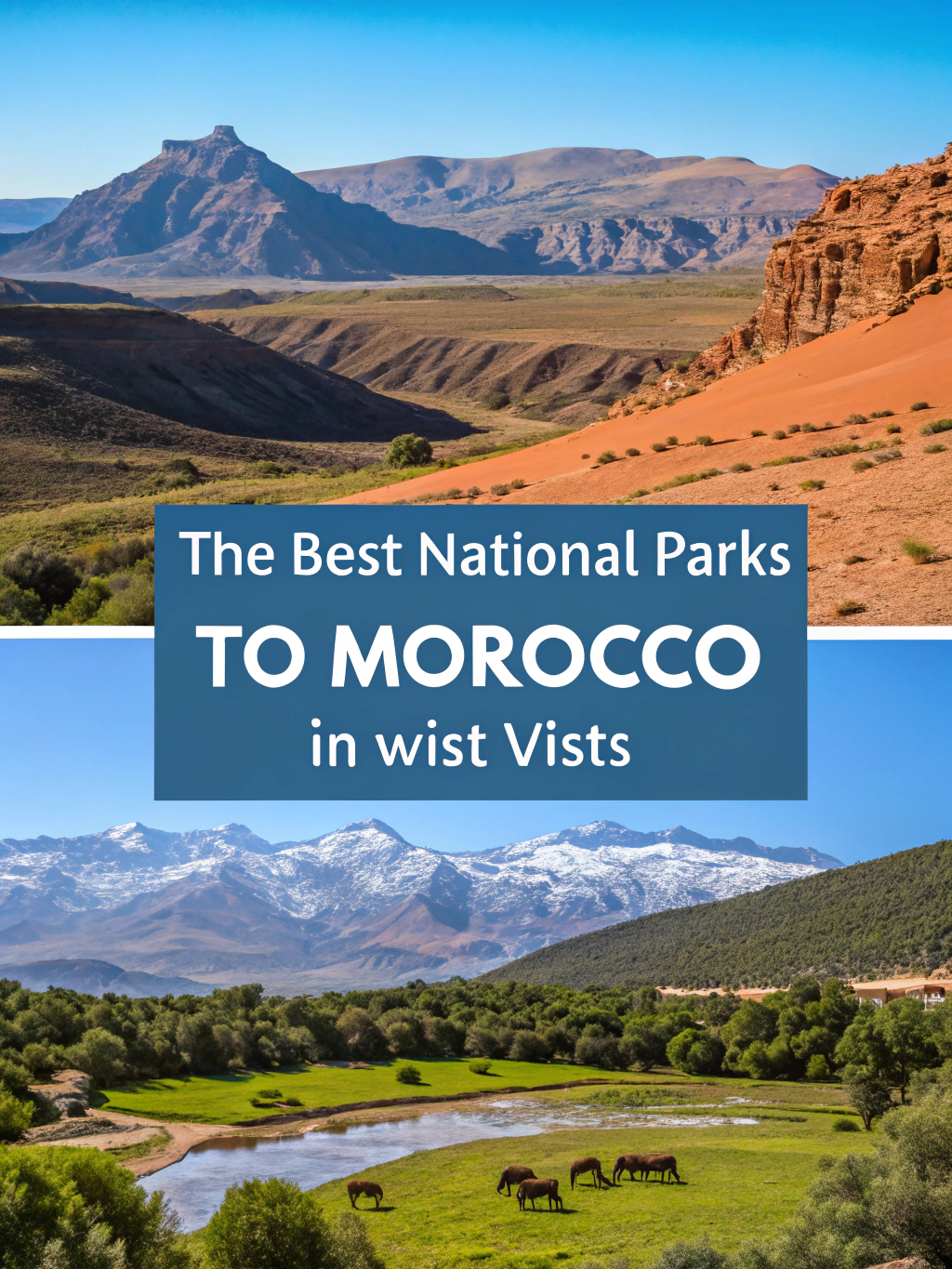
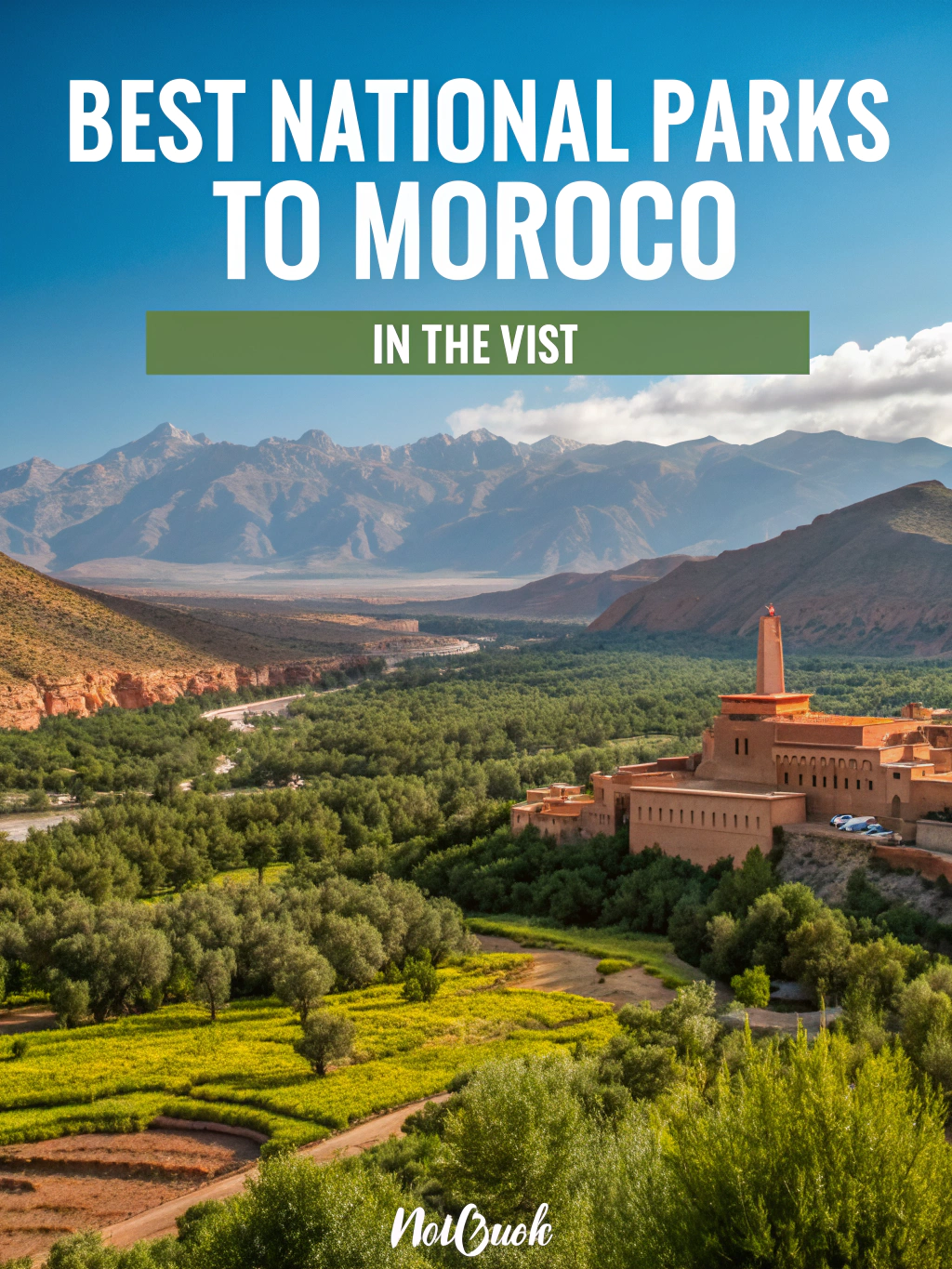
National Parks to Visit in Morocco Morocco captivates millions of visitors annually, but did you know that this North African kingdom protects over 37 diverse ecosystems across its 11 magnificent national parks? When searching for the best national parks to visit morocco, travelers discover an extraordinary tapestry of landscapes ranging from snow-capped Atlas peaks to coastal wetlands teeming with migratory birds. Morocco’s protected areas showcase incredible biodiversity, hosting over 600 bird species, 105 mammal species, and thousands of endemic plants across varied terrains that span Mediterranean forests, Saharan oases, and Atlantic coastlines.
Essentials & Must-Dos
Essential Gear for Morocco National Park Adventures:
- Sturdy hiking boots with ankle support for rocky Atlas terrain
- Layered clothing system (temperatures can drop 30°F between day and night)
- High SPF sunscreen (UV intensity increases 4% per 1,000 feet elevation)
- Binoculars for wildlife spotting (8×42 recommended for optimal viewing)
- Reusable water bottles with purification tablets
- Offline GPS device or downloaded maps (cell service is limited)
- First aid kit including blister treatment and altitude sickness medication
- Photography equipment with extra batteries (cold weather drains power quickly)
- Traditional Moroccan mint tea supplies for authentic camping experiences
Substitution Tips: Instead of heavy camping gear, consider staying in eco-lodges within park boundaries. Replace expensive specialized equipment with locally-sourced alternatives available in Marrakech or Casablanca outdoor markets.
Timing & Scheduling
Optimal Visiting Seasons:
- Spring (March-May): Perfect for wildflower blooms and moderate temperatures
- Fall (September-November): Ideal wildlife viewing as animals prepare for winter
- Winter (December-February): Best for Saharan parks, avoiding summer’s extreme heat
Preparation Timeline:
- 8 weeks before: Book accommodations (eco-lodges fill up 60% faster during peak seasons)
- 6 weeks before: Secure permits for restricted areas like Toubkal summit
- 4 weeks before: Begin physical conditioning for high-altitude hiking
- 2 weeks before: Check weather conditions and adjust itinerary accordingly
Data Insight: Visiting during shoulder seasons (April-May, October-November) can reduce accommodation costs by 35% while offering optimal weather conditions and fewer crowds.
Step-by-Step Itinerary
Day 1-3: Toubkal National Park – Atlas Mountains Adventure
Begin your journey at Morocco’s crown jewel, home to North Africa’s highest peak at 13,671 feet. Start in Imlil village, where traditional Berber culture meets mountain wilderness. Trek through terraced walnut groves and encounter Barbary macaques, Morocco’s only primate species. The park’s 380 square kilometers protect crucial watersheds feeding into the Tensift River system.
Wildlife Highlights: Spot the endangered Cuvier’s gazelle and over 45 bird species including the colorful Moussier’s redstart.
Day 4-5: Ifrane National Park – Morocco’s Switzerland
Travel to the Middle Atlas region where cedar forests create an alpine atmosphere. This 500-square-kilometer park preserves the last significant Barbary macaque populations, with approximately 8,000 individuals remaining in the wild. The park’s elevation ranges from 1,650 to 2,400 meters, creating diverse microclimates.
Conservation Success: Witness reforestation efforts that have increased cedar forest coverage by 15% since 2010.
Day 6-8: Souss-Massa National Park – Coastal Wildlife Sanctuary
Conclude your adventure along Morocco’s Atlantic coast, where this 338-square-kilometer park protects critical wetland habitats. Home to over 250 bird species, including the endangered northern bald ibis with only 500 individuals worldwide. The park’s diverse ecosystems include sandy beaches, rocky cliffs, and argan forests.
Unique Experience: Observe flamingo colonies numbering up to 15,000 individuals during winter migration periods.
Health & Safety Advisories
Vaccination Requirements:
- Routine vaccinations (MMR, DPT, flu, COVID-19) should be current
- Hepatitis A and Typhoid recommended for all travelers
- Rabies vaccination advised for wildlife researchers or extended stays
Altitude Considerations:
- Toubkal National Park reaches extreme elevations; acclimatize gradually
- Symptoms of altitude sickness appear above 8,000 feet
- Descend immediately if experiencing severe headaches, nausea, or confusion
Wildlife Safety:
- Maintain 50-meter distance from Barbary macaques (they can carry diseases)
- Never feed wild animals; penalties include fines up to $500
- Carry whistle and bear spray in remote areas
Water Safety:
- Drink only bottled or properly purified water
- Avoid ice in rural areas
- Use water purification tablets for backcountry camping
Alternative Routes & Experiences
For Budget-Conscious Travelers:
- Choose camping over eco-lodges (saves 60-70% on accommodation)
- Join group tours instead of private guides (reduces costs by 40%)
- Visit during off-peak months for reduced park entrance fees
For Luxury Seekers:
- Book premium eco-lodges with spa services and gourmet dining
- Arrange private 4WD tours with expert naturalist guides
- Add helicopter transfers between parks for aerial wildlife viewing
For Photography Enthusiasts:
- Focus on golden hour wildlife shoots (early morning provides 75% more animal activity)
- Rent telephoto lenses locally to avoid international shipping restrictions
- Join specialized photo tours with hide access for bird photography
Suggested Activities & Pairings
Cultural Immersion Combinations:
- Pair Toubkal visits with traditional Berber village homestays
- Combine Ifrane exploration with Fez medina cultural tours
- Match Souss-Massa birdwatching with Agadir’s coastal cuisine experiences
Adventure Sport Pairings:
- Rock climbing on Toubkal’s granite faces
- Mountain biking through Ifrane‘s forest trails
- Surfing lessons near Souss-Massa’s pristine beaches
Conservation Tourism:
- Participate in morocco national parks wildlife toubkal souss massa ifrane nature reserves monitoring programs
- Join reforestation projects in degraded cedar forests
- Support local communities through eco-tourism initiatives
Common Mistakes to Avoid
Planning Errors:
- Mistake: Underestimating travel time between parks (average 4-6 hours)
- Solution: Allow full travel days and book intermediate accommodations
Equipment Failures:
- Mistake: Bringing cotton clothing for mountain conditions
- Solution: Pack moisture-wicking synthetic or merino wool layers
Cultural Misunderstandings:
- Mistake: Photographing people without permission (especially in rural areas)
- Solution: Learn basic Arabic/Berber greetings and always ask consent
Wildlife Interaction Errors:
- Mistake: Approaching animals for closer photos
- Solution: Use telephoto lenses and maintain safe distances
Logistics & Storing Tips
Digital Document Management:
- Store copies of passports, permits, and insurance in cloud storage
- Download offline maps before entering remote areas
- Keep emergency contact information in multiple languages
Currency and Payment:
- Carry small denomination dirhams for park entrance fees
- ATMs are scarce in national parks; withdraw cash in major cities
- Keep emergency cash in waterproof containers
Equipment Organization:
- Use packing cubes to separate clean and dirty clothing
- Store electronics in moisture-proof cases (humidity can reach 90% in coastal areas)
- Pack medication in original containers with prescription labels
Conclusion
Morocco’s national parks offer an unparalleled opportunity to experience diverse ecosystems while supporting crucial conservation efforts. From Toubkal’s alpine majesty to Souss-Massa’s coastal wetlands, these protected areas showcase the kingdom’s commitment to preserving its natural heritage. Whether you’re tracking Barbary macaques through cedar forests or watching flamingo migrations along Atlantic shores, Morocco’s parks deliver unforgettable wildlife encounters. Start planning your national park adventure today and become part of Morocco’s conservation success story while creating memories that will last a lifetime.
FAQs
Q: What are the entrance fees for Morocco’s national parks?
A: Entrance fees range from 20-50 dirhams ($2-5 USD) per person per day, with additional charges for camping permits and guide services.
Q: Do I need a guide for visiting national parks?
A: While not mandatory for all parks, guides are required for certain areas like Toubkal summit attempts and highly recommended for wildlife viewing and safety.
Q: What’s the best time to see wildlife in Morocco’s parks?
A: Early morning (6-9 AM) and late afternoon (4-7 PM) offer optimal wildlife viewing opportunities, with spring and fall providing the highest animal activity levels.
Q: Can I camp in Morocco’s national parks?
A: Yes, designated camping areas are available in most parks with advance permits. Wild camping is prohibited to protect sensitive ecosystems.
Q: Are Morocco’s national parks suitable for families with children?
A: Many parks offer family-friendly trails and educational programs, though high-altitude areas like Toubkal require careful consideration for young children due to elevation and terrain challenges.