
Introduction
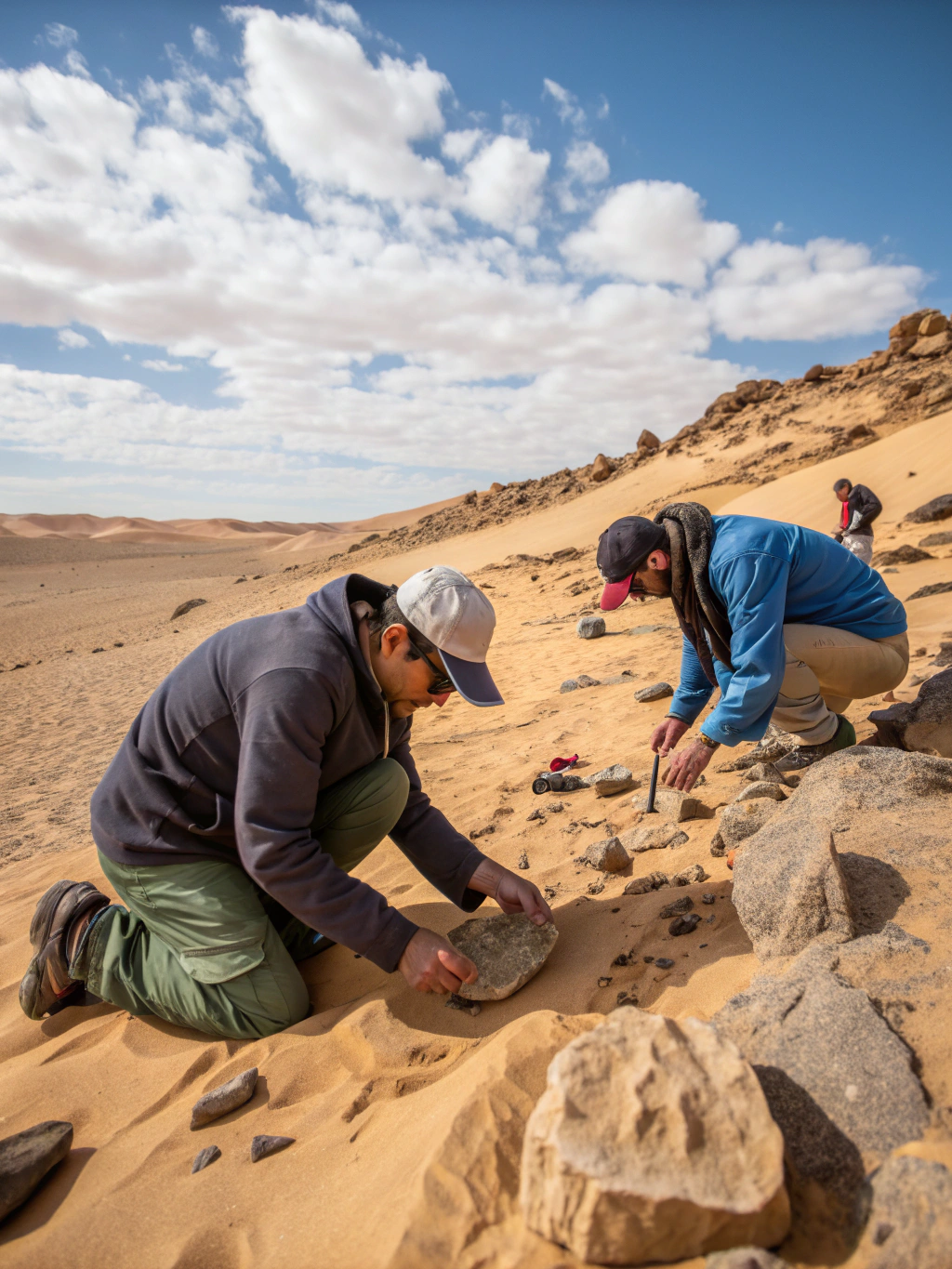
Did you know that Morocco holds some of the world’s most spectacular fossil deposits, dating back over 500 million years? Far from being just a destination for cultural exploration, Morocco’s southeastern regions offer an extraordinary journey through deep time. Morocco fossil hunting trilobites represent one of Earth’s most fascinating paleontological treasures, with the ancient Sahara Desert revealing marine fossils that once thrived in prehistoric seas. From the bustling fossil markets of Erfoud to guided geological expeditions across fossil-rich terrain, Morocco provides both amateur enthusiasts and professional paleontologists with unparalleled access to ancient marine life preserved in stunning detail.
- Introduction
- Essentials & Must-Dos
- Timing & Scheduling
- Step-by-Step Itinerary
- Day 1: Arrival in Erfoud – Gateway to Fossil Country
- Day 2: Erfoud Fossil Market Immersion
- Day 3: Guided Geological Expedition
- Day 4: Advanced Fossil Site Exploration
- Day 5: Cultural Integration and Preparation
- Health & Safety Advisories
- Alternative Routes & Experiences
- Suggested Activities & Pairings
- Common Mistakes to Avoid
- Logistics & Storing Tips
- Conclusion
- FAQs
Essentials & Must-Dos
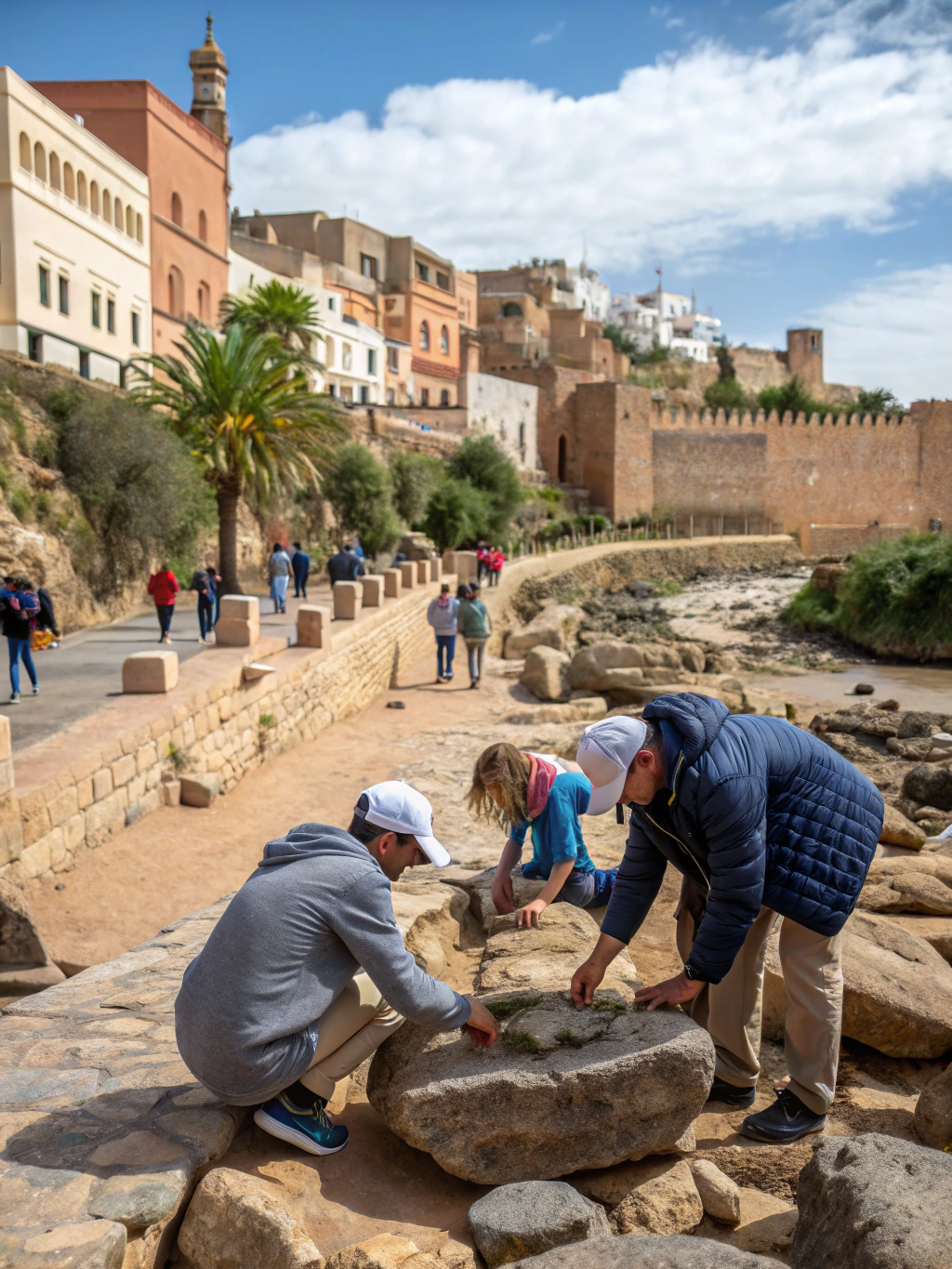
Essential gear for your fossil hunting adventure includes sturdy hiking boots with ankle support, wide-brimmed hats for desert sun protection, and UV-protective sunglasses. Pack lightweight, long-sleeved clothing in earth tones to blend with the landscape while protecting against sand and sun. Bring a quality magnifying glass (10x minimum), small brushes for delicate cleaning, and protective cases for fossil specimens.
Instead of heavy reference books, download offline paleontology apps and field guides to your smartphone. Carry multiple water bottles—the desert climate demands constant hydration. Pack high-energy snacks, sunscreen (SPF 50+), and a basic first aid kit. Bring cash in small denominations for local fossil dealers, as card payments are rarely accepted in remote areas.
Essential documents include your passport, travel insurance, and any geological permits if joining professional expeditions. Consider packing a portable GPS device as backup to smartphone navigation, since cellular coverage can be spotty in remote fossil sites.
Timing & Scheduling
Optimal fossil hunting occurs during Morocco’s cooler months from October through April, when daytime temperatures range from 20-25°C (68-77°F). Summer months see temperatures exceeding 45°C (113°F), making outdoor exploration dangerous and uncomfortable.
Plan 2-3 weeks minimum for visa processing if required. Budget travelers can save up to 40% on accommodation during shoulder seasons (November and March) compared to peak winter months. Professional geological tours typically require 3-5 days advance booking, while private expeditions need 2-3 weeks notice.
The ideal trip duration spans 7-10 days, allowing time for Erfoud market exploration, guided fossil site visits, and cultural experiences in nearby towns. Ramadan period may affect local business hours and tour availability, so check Islamic calendar dates when planning.
Weather patterns show minimal rainfall year-round, but occasional winter storms can make remote desert roads impassable. Monitor local weather forecasts and maintain flexible scheduling for optimal fossil hunting conditions.

Step-by-Step Itinerary
Day 1: Arrival in Erfoud – Gateway to Fossil Country
Begin your adventure in Erfoud, Morocco’s fossil capital, arriving via domestic flight from Casablanca or overland from Marrakech (6-hour drive). Check into local accommodation and visit the Erfoud Fossil Museum for orientation. Spend the afternoon exploring the town’s famous fossil workshops, where skilled artisans prepare specimens for global markets.
Day 2: Erfoud Fossil Market Immersion
Start early at Erfoud’s bustling fossil market, where morocco fossil hunting, trilobites morocco, erfoud fossil market, geological tours morocco desert converge in spectacular fashion. Local dealers display thousands of specimens, from tiny trilobites to massive orthoceras fossils. Practice negotiation skills and learn specimen identification from experienced vendors.
Day 3: Guided Geological Expedition
Join professional guides for your first desert fossil site visit. Popular locations include Jbel Issimour and Alnif regions, known for exceptional trilobite preservation. Learn proper extraction techniques, fossil photography, and geological context from expert guides.
Day 4: Advanced Fossil Site Exploration
Venture to remote locations like Taouz or Hassi Sguilma for undisturbed fossil hunting. These sites require 4WD vehicles and offer opportunities to discover personal specimens. Practice patience and systematic searching techniques in authentic paleontological environments.
Day 5: Cultural Integration and Preparation
Visit local Berber communities to understand the cultural significance of fossil hunting in regional economy. Learn traditional preparation methods and support local craftspeople. Use this day for specimen organization and documentation.

Health & Safety Advisories
No specific vaccinations are required for Morocco, though hepatitis A, hepatitis B, and typhoid vaccines are recommended by the CDC. Ensure routine vaccinations (MMR, DPT, flu, COVID-19) are current before travel.
Desert conditions pose dehydration risks—consume 3-4 liters of water daily during outdoor activities. Heat exhaustion symptoms include dizziness, nausea, and excessive sweating. Seek immediate shade and medical attention if symptoms develop.
Fossil sites often feature loose rock and unstable terrain. Wear appropriate footwear and avoid climbing fossil-bearing cliffs without proper equipment. Some quarry sites have active mining operations—respect barriers and local guidance.
Respect local customs by dressing modestly, especially when visiting traditional communities. Friday prayers may affect business hours and tour schedules. Alcohol consumption is legal but culturally sensitive—consume discretely in appropriate venues.
Alternative Routes & Experiences
Budget-conscious travelers can join group geological tours starting from €150 per person for 3-day expeditions, including transportation, basic accommodation, and guide services. Independent fossil hunting using public transport and local guides costs significantly less but requires greater flexibility.
Luxury seekers can arrange private paleontological expeditions with professional geologists, helicopter transport to remote sites, and exclusive access to private fossil collections. Premium experiences include stays at desert luxury camps with dedicated fossil preparation facilities.
Family-friendly alternatives focus on accessible fossil sites near Erfoud with shorter walking distances and educational programs designed for children. Many local tour operators offer specialized family packages with hands-on fossil preparation workshops.
Research-oriented travelers can arrange collaborations with Moroccan geological institutions for extended field studies and scientific specimen collection under proper permits.
Suggested Activities & Pairings
Combine fossil hunting with traditional Berber desert camping for authentic cultural immersion. Pair geological expeditions with visits to Todra Gorge for stunning geological formations and rock climbing opportunities.
Photography enthusiasts should time visits for golden hour lighting at fossil sites, creating dramatic images of ancient specimens against desert landscapes. Night sky photography from remote fossil camps offers exceptional astrophotography opportunities.
Culinary experiences include traditional tagine preparation using earth ovens at fossil camps, connecting geological and cultural heritage. Visit local date palm oases for fresh fruit and insight into desert agriculture.
Consider extending trips to include Marrakech medina exploration or Atlas Mountains trekking for comprehensive Moroccan experiences beyond paleontological pursuits.
Common Mistakes to Avoid
Common Mistake: Attempting fossil extraction without proper tools or knowledge. Many novice hunters damage valuable specimens through improper removal techniques. Always use appropriate tools and seek guidance from experienced guides.
Avoid purchasing fossils without proper documentation, as many countries restrict fossil importation. Request certificates of origin and legal collection permits when buying significant specimens.
Don’t underestimate desert conditions—many visitors suffer heat-related illness by underestimating water needs and sun exposure. Start activities early morning and avoid midday sun exposure.
Avoid haggling aggressively at fossil markets without understanding fair pricing. Research specimen values beforehand and maintain respectful negotiation practices with local dealers.
Never collect fossils from protected areas or without landowner permission. Unauthorized collection can result in legal consequences and damages scientific research sites.
Logistics & Storing Tips
Store digital copies of important documents using cloud services accessible offline. Download offline maps of fossil regions since cellular coverage is unreliable in remote areas.
Protect fossil specimens during transport using bubble wrap and rigid containers. Airlines may require special handling for geological specimens—check baggage restrictions beforehand.
Exchange currency in major cities before reaching remote areas where banking services are limited. Keep cash in multiple locations and carry small denominations for local transactions.
Organize daily fossil finds with numbered containers and detailed location notes. Photograph specimens in situ before collection for scientific documentation and personal records.
Prepare for limited electricity access by bringing portable chargers and backup batteries for essential devices. Solar chargers work well in desert conditions for extended expeditions.
Conclusion
Morocco’s fossil hunting opportunities offer extraordinary windows into Earth’s ancient past, combining scientific discovery with cultural adventure. From trilobite treasures in Erfoud’s bustling markets to guided expeditions across fossil-rich desert landscapes, this unique destination rewards curious travelers with tangible connections to prehistoric marine worlds. Whether you’re seeking authentic specimens for personal collections or simply experiencing the wonder of holding 400-million-year-old creatures, Morocco delivers unmatched paleontological adventures.
Ready to embark on your own fossil hunting journey? Share your discoveries and experiences with fellow enthusiasts, and explore our related guides to Morocco’s geological wonders for comprehensive trip planning.
FAQs
Q: What is the best time of year for fossil hunting in Morocco?
A: October through April offers optimal conditions with comfortable temperatures (20-25°C) and minimal rainfall. Avoid summer months when temperatures exceed 45°C.
Q: Are there legal restrictions on collecting fossils in Morocco?
A: Small personal specimens for non-commercial purposes are generally permitted, but always collect responsibly and obtain proper documentation for valuable pieces. Commercial collection requires permits.
Q: How much should I expect to spend on fossils in Erfoud markets?
A: Prices range from €5-10 for small trilobites to €500+ for museum-quality specimens. Research fair pricing beforehand and practice respectful negotiation.
Q: Do I need special permits for fossil hunting tours?
A: Most tourist fossil hunting requires no special permits, but professional research expeditions may need governmental authorization. Tour operators handle necessary permissions.
Q: Can children participate in fossil hunting activities?
A: Yes, many operators offer family-friendly programs with shorter distances and educational components designed for children. Ensure proper sun protection and hydration for young participants.