


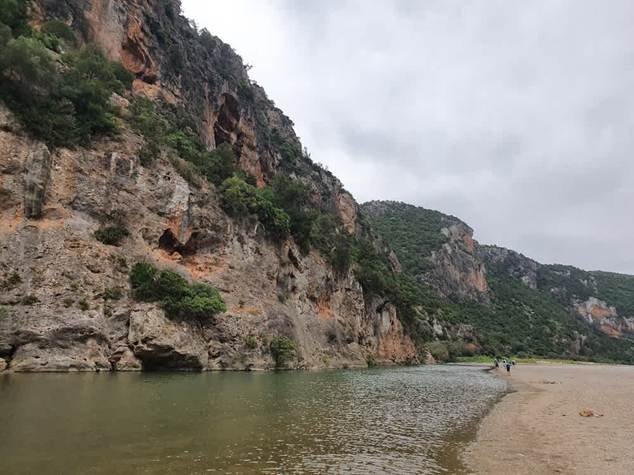
Nestled in the pristine Rif Mountains of northern Morocco, Oued Iferten (also spelled Oued Ifrtan or Wad Iferten) represents one of the country’s best-kept natural secrets. This crystal-clear river valley, characterized by turquoise waters flowing through lush mountain terrain, offers an authentic escape into nature just 15 kilometers from Oued Laou and within easy reach of both Tetouan and Chefchaouen. As a tributary of the Oued Laou river system, Iferten originates from the summit of Mount Kelti (Jebel Kelti) and has become increasingly popular among both Moroccan families and international travelers seeking pristine swimming holes, wild camping experiences, and unspoiled natural beauty. The valley’s remote location, combined with its accessibility and family-friendly atmosphere, makes it an ideal destination for ecotourism and outdoor adventure in Morocco’s northern region.
- Location and Geography
- Geographic Setting in the Rif Mountains
- Proximity to Major Cities and Towns
- How to Get to Oued Iferten
- Transportation Options from Nearby Cities
- Driving and Parking Information
- Best Time to Visit Oued Iferten
- Activities and Things to Do at Oued Iferten
- Practical Information for Visitors
- What to Bring
- Facilities and Amenities
- Safety Considerations
- Nearby Attractions and Day Trip Options
- Chefchaouen – The Blue Pearl
- Akchour Waterfalls and God’s Bridge
- Oued Laou Beach and Coast
- Talassemtane National Park
- Frequently Asked Questions About Oued Iferten
Oued Iferten – Reviews, Photos & Phone Number – Updated …
Location and Geography
Geographic Setting in the Rif Mountains
Oued Iferten sits within the Tanger-Tetouan-Al Hoceima administrative region, specifically in the rural commune of Oulad Ali Mansour in Tetouan province. The valley lies at an elevation ranging from approximately 400 to 600 meters in the foothills of the Rif Mountains, with its water source originating from the higher elevations near Mount Kelti, close to both Chefchaouen and Tetouan. This positioning within the Rif range gives the area its distinctive character—surrounded by high mountains covered with lush green vegetation, creating a striking aesthetic contrast between the turquoise waters and the verdant hillsides.
The river valley is part of the larger Talassemtane National Park ecosystem, which encompasses approximately 60,000 hectares of protected mountainous terrain featuring diverse flora including cedar, fir, and pine forests. The landscape is characterized by Mediterranean vegetation, with irregular forests providing habitat for diverse wildlife including the endangered Barbary macaque, golden eagles, and various bird species. The geological formations create natural pools and cascades where clear water flows over and around pebbles and stones of various sizes, forming ideal swimming areas.
Proximity to Major Cities and Towns
Understanding Oued Iferten’s location relative to other destinations is essential for trip planning. The valley is positioned strategically along the corridor connecting several important northern Moroccan cities. From Oued Laou, the nearest coastal town, Iferten lies approximately 15 kilometers inland toward Chefchaouen, making it an easy detour or day trip for beach visitors. The journey from Oued Laou takes roughly 15-20 minutes by vehicle along the mountain road.
From Tetouan, the provincial capital, visitors can reach Oued Iferten by traveling approximately 60-65 kilometers, a journey that typically requires 1 to 1.5 hours depending on road conditions and traffic. The route from Tetouan follows the coastal road toward Oued Laou before turning inland toward the mountains. From the blue city of Chefchaouen, the distance is approximately 40 kilometers, taking about 45 minutes to 1 hour along winding mountain roads. This proximity to Chefchaouen makes Iferten an excellent addition to itineraries focused on northern Morocco’s mountain regions.
For international travelers, the nearest airport is Sania Ramel Airport (Tetouan), located approximately 43 miles from the area, though most visitors arrive via larger airports in Tangier or even Fes before making their way to the Rif region. The strategic location between the Mediterranean coast and the mountain interior positions Oued Iferten as an ideal stop for travelers exploring the cultural and natural diversity of northern Morocco.
How to Get to Oued Iferten
Cycling Northern Morocco: Chefchaouen – Tetouan
Transportation Options from Nearby Cities
Reaching Oued Iferten requires understanding the local transportation network in northern Morocco. The most common and practical approach is to use Oued Laou as a base or transit point, as it offers the most frequent and affordable connections to the valley.
From Oued Laou, visitors have several options. Shared taxis (grand taxis) are the most economical choice, costing approximately 10 dirhams per person for the 15-kilometer journey. These shared vehicles typically depart when they have enough passengers, which can mean waiting times of 20-40 minutes during off-peak periods. Transportation is most reliable and frequent on Saturdays, when the weekly souk (market) takes place in Oued Laou, drawing residents from surrounding mountain villages including the Iferten area.
For those preferring not to wait, private taxis from Oued Laou to Oued Iferten cost between 35 and 60 dirhams for the entire vehicle, with prices varying based on negotiation skills and demand. The journey takes approximately 15-20 minutes along a well-maintained mountain road with scenic views of the Rif landscape.
From Tetouan, travelers can take buses to Oued Laou from various points in the city, with fares around 20 dirhams, then connect to Iferten via taxi. Alternatively, direct private taxis from Tetouan to Oued Iferten cost approximately 150 dirhams one-way, though shared taxis may be available for around 25 dirhams per person when other passengers are heading in that direction.
From Chefchaouen, the route passes through spectacular mountain scenery. While direct public transport is limited, private taxis can be arranged, or visitors can rent vehicles in the blue city. Many travelers combine Oued Iferten with visits to other nearby attractions such as Akchour waterfalls and the God’s Bridge (Pont de Dieu), creating a comprehensive nature itinerary in the region.
Driving and Parking Information
For those with rental cars or private vehicles, driving to Oued Iferten offers the most flexibility and allows exploration of the broader region at one’s own pace. The main road (P4105/N2) from both Tetouan and Chefchaouen toward Oued Laou is well-paved and maintained, suitable for standard vehicles. The turnoff to Oued Iferten is clearly marked along the Oued Laou-Chefchaouen road.
Upon arrival, visitors will find a parking area near a bridge (qantara) that crosses the river. From this parking point, it’s approximately a 400-meter walk to reach the main river area where most people camp and swim. The path is relatively easy to navigate, though it does involve some uneven terrain and may require crossing shallow water in certain sections, particularly during wet seasons when water levels are higher.
Those with four-wheel-drive vehicles can access points closer to popular camping spots, though this requires careful navigation and knowledge of the terrain. During peak summer months, the parking area can become congested, so arriving early in the day (before 10 AM) is advisable for securing convenient spots. The mountain roads leading to Iferten feature numerous curves and elevation changes, requiring cautious driving, particularly for those unfamiliar with mountain driving. Speed limits should be respected—typically 60 km/h on these routes—as they account for local traffic patterns and road conditions.
Best Time to Visit Oued Iferten
Seasonal Considerations
Understanding the seasonal variations at Oued Iferten is crucial for planning an optimal visit. The valley experiences a Mediterranean mountain climate with distinct seasonal patterns that significantly affect the visitor experience.
Summer months (June, July, and August) represent the peak season for Oued Iferten. During this period, temperatures in the region range from pleasantly warm to hot, making the cool mountain water particularly refreshing. The weather is generally stable with minimal rainfall, ideal conditions for camping and swimming. Water levels are moderate, providing both shallow areas safe for children and deeper pools suitable for adult swimming and jumping from rocks. However, these months also see the highest visitor numbers, with weekends particularly crowded as both local Moroccan families and international tourists flock to the area. Accommodation in the form of camping spots can become limited, and the peaceful atmosphere that characterizes off-season visits may be compromised.
Late spring (May) and early autumn (September-October) offer what many experienced travelers consider the sweet spot for visiting Oued Iferten. During these shoulder seasons, temperatures remain pleasant—warm during the day but cooler than peak summer—while crowds diminish significantly. The natural scenery is particularly beautiful in spring when mountain wildflowers bloom and the surrounding vegetation is at its most lush. Water temperatures are cooler than in midsummer but still comfortable for swimming during midday hours. These months provide excellent opportunities for hiking in the surrounding mountains without the intense heat of summer.
Autumn (October-November) brings cooler temperatures and increased rainfall probability. While the landscape remains beautiful, water temperatures drop considerably, making swimming less appealing except for the hardy. This period suits visitors more interested in hiking and photography than water activities.
Winter (December-March) is the low season, with cold temperatures, frequent rainfall, and occasionally harsh mountain weather conditions. Water activities are generally not practical during this period, though the valley takes on a different beauty with green hillsides and rushing water from winter rains. Only the most adventurous travelers visit during winter, typically those combining their trip with visits to Chefchaouen and other cultural sites in the region.
Weather Patterns and Water Conditions
The water quality and clarity at Oued Iferten vary throughout the year but generally remain excellent. The river originates from mountain springs, ensuring a constant flow of fresh water even during dry summer months. The characteristic turquoise color results from mineral content and the clarity of the spring water flowing over light-colored rocks.
After heavy rainfall, water clarity can temporarily decrease as runoff carries sediment into the river system. Within a few days of rain cessation, however, the water typically clears again. The best water conditions occur during prolonged dry spells in summer when the spring-fed flow remains constant without sediment disturbance.
Water temperature remains refreshingly cool year-round due to the mountain spring source, typically ranging from 15-20°C depending on season and specific location within the valley. While this might seem cold, it provides welcome relief during hot summer days. The temperature is not so frigid as to prevent swimming but does require some adjustment, particularly upon initial entry.
Activities and Things to Do at Oued Iferten
Swimming and Natural Pools
Swimming represents the primary draw for most visitors to Oued Iferten, and the valley delivers exceptional opportunities for water activities. The river features numerous natural swimming pools formed where water has carved depressions in the rocky riverbed. These pools vary in depth from shallow areas suitable for children and wading to deeper sections reaching several meters, perfect for confident swimmers.
One of the most popular features is the jumping rocks, where adventurous visitors can leap from elevated positions into deep pools below. Local youth often demonstrate impressive diving and acrobatic techniques, adding to the lively atmosphere during busy periods. These jumping spots require caution—visitors should observe others first to identify safe entry points and confirm adequate water depth.
The water quality is excellent for swimming, originating from mountain springs and maintaining clarity throughout most of the year. Unlike some swimming spots in Morocco where water quality concerns might exist, Oued Iferten’s constant spring flow and lack of significant upstream development ensure clean conditions. The cool water temperature, while initially bracing, becomes comfortable after a few minutes of acclimatization.
For families with young children, shallow sections along the river’s edges provide safe wading and splash areas where kids can play under parental supervision. The gradual depth changes in many areas allow families to choose appropriate spots matching their comfort levels. The generally calm current in most sections, particularly during summer low-water periods, adds to the safety profile for family visits.
Camping and Outdoor Recreation
Camping at Oued Iferten represents a quintessential northern Morocco outdoor experience, offering visitors the chance to sleep beside a mountain river under star-filled skies. The valley has become increasingly popular with Moroccan families who set up multi-day camps during summer holidays, creating a community atmosphere along the riverbanks.
Camping is free and unregulated in most areas, allowing visitors to choose spots that suit their preferences. Popular camping zones include flat areas near the river, spots under tree cover for shade, and elevated positions offering views of the surrounding mountains. Many campers select locations close to natural springs that provide fresh drinking water, eliminating the need to carry large water supplies.
Local residents from nearby villages have recognized the camping demand and now operate organized camping areas offering basic facilities. These family-run operations provide access to toilets, washing facilities, and food service—typically traditional Moroccan meals including tagines, fresh bread, mint tea, and breakfast items. Prices are reasonable, with breakfast costing around 25 dirhams (including two eggs, cheese, olives, olive oil, tea, and bread). These commercial camping areas also provide security, with staff monitoring the premises, offering peace of mind for families and those new to wild camping.
Hiking opportunities abound in the surrounding mountains, with trails leading deeper into the valley, toward water sources at higher elevations, and to viewpoints overlooking the Rif landscape. Most trails are unmarked and require either local knowledge or strong navigation skills. Guided hikes can be arranged through contacts in Oued Laou or Chefchaouen for those wanting structured exploration.
Nature photography enthusiasts find endless subjects at Oued Iferten—the turquoise water contrasting with green vegetation, mountain backdrops, natural rock formations, and the interplay of light on water throughout the day create compelling imagery. Early morning and late afternoon provide the best lighting conditions, with fewer crowds adding to photo opportunities.
Relaxation and Picnicking
Many visitors to Oued Iferten simply seek peaceful relaxation away from urban environments. The valley’s tranquil atmosphere, punctuated by the sound of flowing water and birdsong, provides an ideal setting for unwinding. Shaded spots under trees offer comfortable locations for reading, napping, or simply observing the natural surroundings.
Picnicking is extremely popular, with families bringing elaborate spreads of traditional Moroccan food to share during day visits. Flat riverside areas provide natural picnic grounds where groups can spread blankets and spend hours eating, socializing, and enjoying the scenery. The Moroccan cultural emphasis on communal eating outdoors fits perfectly with the Iferten environment, and visitors often find themselves welcomed to share tea or snacks with neighboring groups.
Practical Information for Visitors
What to Bring
Successful Oued Iferten visits require appropriate preparation and packing. Essential items include:
Camping equipment for overnight stays: a quality tent suitable for the terrain, sleeping bag rated for potentially cool mountain nights even in summer, sleeping pad for comfort on uneven ground, and camping chairs or mats for daytime relaxation. While summer nights are generally pleasant, temperatures can drop, particularly in spring and autumn, making warm sleeping gear important.
Swimming gear: swimsuit, quick-dry towel, water shoes or sturdy sandals for navigating rocky riverbed areas (the stones can be sharp and slippery), and waterproof bags for protecting valuables while swimming. Consider bringing goggles if you enjoy underwater exploration of the pools.
Sun protection: high-SPF sunscreen (reapply frequently, especially after swimming), wide-brimmed hat or cap, UV-protection sunglasses, and lightweight long-sleeve shirts for sun-sensitive individuals. The mountain sun can be intense, particularly during midday hours, and reflection off the water increases exposure.
Food and water: While small cafes operate in the area, bringing supplemental food ensures you have preferred items. Pack non-perishable snacks, energy bars, fresh fruit, and easy-to-prepare meals if camping. A reusable water bottle is essential, though natural springs in the area provide drinking water. Consider bringing a water filter or purification tablets for additional safety assurance.
Clothing: Lightweight, breathable clothes for daytime, warm layers for evening (fleece or light jacket), change of dry clothes after swimming, and modest attire respecting Moroccan cultural norms. While Oued Iferten has a relaxed atmosphere, visitors should still avoid overly revealing clothing out of respect for local sensibilities.
Health and safety items: Basic first-aid kit with bandages, antiseptic, pain relievers, and any personal medications; insect repellent (mosquitoes can be present near water in evening); hand sanitizer and wet wipes; toilet paper (facilities may not always be stocked); and any specific medications you require.
Electronics and accessories: Fully charged phone (limited signal, but useful for emergencies and photos), portable power bank, camera equipment for photography enthusiasts, headlamp or flashlight for nighttime navigation around camp, and a waterproof phone case.
Facilities and Amenities
Visitors should approach Oued Iferten with appropriate expectations regarding infrastructure and facilities. Unlike developed tourist sites, the valley retains a largely natural, uncommercialized character with limited amenities.
Restroom facilities exist primarily in the organized camping areas operated by local families. These are basic but functional toilet structures. For those camping in more remote sections of the valley, natural facilities must be used—visitors should follow Leave No Trace principles, digging cat-holes at least 200 feet from water sources and packing out all toilet paper.
Food services are available through family-run operations along the main camping area. These establishments prepare fresh Moroccan dishes including tagines (slow-cooked meat and vegetable stews), grilled meats, fresh salads, bread, and mint tea. Breakfast service typically includes Moroccan-style morning meals with eggs, cheese, olives, olive oil, and bread. Small shops or stalls may offer limited supplies such as soft drinks, chips, and basic provisions, but selection is minimal compared to town shops. Visitors with specific dietary requirements or preferences should bring supplemental food.
Mobile phone signal is weak to non-existent throughout much of the Oued Iferten valley due to the mountainous terrain. This lack of connectivity contributes to the peaceful, disconnected atmosphere but also means visitors cannot rely on phones for navigation, communication, or emergencies once in the valley. Inform someone of your plans before heading to Iferten, and consider this limitation when planning activities.
Accommodation beyond camping does not exist within the immediate Iferten area. The nearest hotels, guesthouses, and riads are located in Oued Laou (15 km), Chefchaouen (40 km), or Tetouan (60 km). These towns offer accommodation ranging from budget hostels to boutique riads, allowing day trips to Iferten for those preferring not to camp.[4][14]
Safety Considerations
Oued Iferten is generally safe for visitors who exercise reasonable precautions and common sense. The local population is welcoming and accustomed to tourists, with families from the area operating camping facilities and food services demonstrating hospitality. Many Moroccan families camp at Iferten, contributing to a family-friendly, secure atmosphere during peak season.
Water safety requires attention. While the natural pools offer wonderful swimming, visitors should assess depth before jumping or diving into unfamiliar areas. Observe where locals swim and jump to identify safe spots. The river current is generally mild during summer months but can be stronger after rainfall or in certain sections where the channel narrows. Non-swimmers and weak swimmers should remain in shallow areas and consider wearing life jackets, particularly when supervising children.
The rocky riverbed presents slip hazards, making water shoes or sturdy sandals essential. The combination of wet rocks, algae growth on some surfaces, and uneven terrain requires careful footing. Take time navigating these areas rather than rushing.
For hikers, the surrounding mountains offer adventures but also potential risks. Trails are often unmarked, making navigation challenging without local knowledge or strong orienteering skills. The lack of mobile phone signal complicates emergency communication if problems arise. Solo hikers, particularly solo female hikers, should carefully weigh the risks—while many individuals hike safely, the remote nature of the area means assistance would be slow in arriving if needed. Consider hiring local guides for more extended hikes or venturing into less-traveled areas.
Valuables and belongings should be secured, particularly when swimming and leaving items unattended. While theft is not a major concern, basic precautions such as using waterproof bags, keeping valuables in locked vehicles, or having camping companions watch belongings while swimming provide peace of mind.
Nearby Attractions and Day Trip Options
Cityscape of blue city Chefchaouen in Rif mountains, Morocco …
Oued Iferten’s location in northern Morocco positions it perfectly for combining with visits to several other compelling destinations in the region, creating rich multi-day itineraries that showcase the Rif Mountains’ natural and cultural diversity.
Chefchaouen – The Blue Pearl
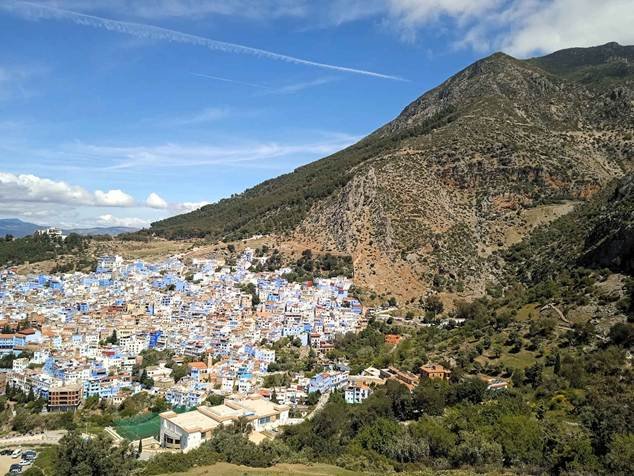
Located approximately 40 kilometers from Oued Iferten, Chefchaouen ranks among Morocco’s most photographed and visited destinations. The city’s signature blue-washed buildings create an enchanting atmosphere that has captivated travelers worldwide. Beyond the aesthetic appeal, Chefchaouen offers a relaxed pace, artisan workshops producing traditional crafts, excellent restaurants serving Moroccan cuisine, and comfortable accommodation options.
The city serves as an excellent base for exploring the region, with established tourist infrastructure including hotels, restaurants, tour operators, and transportation connections. Many visitors use Chefchaouen as their hub for day trips to Oued Iferten, Akchour, and other Rif Mountain destinations. The medina’s winding blue streets, Plaza Uta el-Hammam’s café scene, and the Spanish kasbah provide cultural experiences complementing Iferten’s natural offerings.
Akchour Waterfalls and God’s Bridge
The Akchour area, located approximately 30 kilometers from Chefchaouen toward Oued Iferten, represents another premier nature destination in the Rif Mountains. Two main hikes attract visitors: the shorter trail to the Akchour waterfalls (approximately 1.5 hours one-way) and the longer trek to God’s Bridge (Pont de Dieu), a dramatic natural stone arch spanning a gorge at 25 meters height.
Both hikes follow river valleys with opportunities for swimming in natural pools along the way. The waterfalls, while reportedly somewhat underwhelming to some visitors, still provide a worthwhile destination, particularly when combined with the scenic journey. The God’s Bridge requires more time and effort but rewards hikers with one of the Rif’s most impressive geological formations.
Combining Akchour and Oued Iferten in a single day trip is possible for energetic visitors, though both sites deserve more time to fully appreciate. A two-day itinerary visiting both areas, with camping at Iferten, provides a more relaxed pace and richer experience.
Oued Laou Beach and Coast
The coastal town of Oued Laou, just 15 kilometers from Iferten, offers a completely different environment from the mountain valley. The town’s long Mediterranean beach, fishing village character, and seafood restaurants provide opportunities for beach relaxation, swimming in the sea, and enjoying fresh fish and seafood.
Oued Laou has undergone significant development in recent years while maintaining its laid-back atmosphere. The town offers accommodation, cafes, restaurants, and basic services, making it a practical stop for provisions before heading to Iferten or as a base for those preferring hotels to camping. Saturday’s weekly souk brings villagers from surrounding areas, including the Iferten region, creating a vibrant local market atmosphere.
Nearby beaches including Targha and others along the coast provide alternative coastal experiences, some more remote and less developed than Oued Laou’s main beach. The drive along the coastal road offers stunning Mediterranean views and opportunities for spontaneous beach stops.
Talassemtane National Park
The broader Talassemtane National Park encompasses Oued Iferten and the surrounding region, protecting 60,000 hectares of Rif Mountain ecosystems. The park features Morocco’s only fir tree forests, along with cedar, pine, and oak woodlands providing habitat for diverse wildlife.
Hiking trails throughout the park vary in difficulty and length, from easy nature walks to challenging multi-day treks reaching high peaks. Wildlife viewing opportunities include the endangered Barbary macaque, various bird species including golden eagles and Bonelli’s eagles, and diverse flora including endemic plant species.
For visitors interested in ecotourism and understanding Morocco’s natural heritage, exploring Talassemtane provides context for the ecosystems that make places like Oued Iferten possible. Local guides in Chefchaouen can arrange park excursions ranging from half-day trips to multi-day camping expeditions.
Frequently Asked Questions About Oued Iferten
What is Oued Iferten?
Oued Iferten is a pristine river valley and tributary of Oued Laou, located in the Rif Mountains of northern Morocco. It features crystal-clear turquoise water, natural swimming pools, and lush mountain scenery.
Where exactly is Oued Iferten located?
Oued Iferten is in the Tanger-Tetouan-Al Hoceima region, approximately 15 kilometers from Oued Laou town, in the rural commune of Oulad Ali Mansour, Tetouan province. It sits between the Mediterranean coast and the higher Rif Mountains.
How much does transport to Oued Iferten cost?
Shared taxis from Oued Laou cost approximately 10 dirhams per person, while private taxis range from 35-60 dirhams. From Tetouan, private taxis cost around 150 dirhams one-way.
What is the best time to visit Oued Iferten?
The optimal period is May through September when weather is warm and ideal for swimming. June, July, and August are busiest. Spring (April-May) and early autumn (September-October) offer pleasant weather with fewer crowds.
Is camping allowed at Oued Iferten?
Yes, camping is permitted and very popular. Free wild camping is available throughout the valley, and local families also operate organized camping areas with basic facilities including toilets, food service, and security.
What activities can I do at Oued Iferten?
Swimming in natural pools, camping, hiking, river walks, picnicking, nature photography, and relaxing in pristine mountain scenery. The area offers natural swimming holes perfect for jumping from rocks.
Is there accommodation near Oued Iferten?
No hotels exist directly at Oued Iferten—camping is the primary option. For hotel accommodation, visitors can stay in Oued Laou (15 km), Chefchaouen (40 km), or Tetouan (60 km).
What should I bring to Oued Iferten?
Essential items include tent and camping gear, swimming gear, water shoes, sunscreen, hat and sunglasses, insect repellent, reusable water bottle, food and snacks, warm clothing for evenings, towel, basic first-aid kit, and waterproof bags.
Is the water safe for swimming?
Yes, the water is generally clean and safe for swimming. It originates from mountain springs and is crystal clear with a turquoise color. However, clarity can be temporarily affected after heavy rain.
Are there restaurants at Oued Iferten?
Yes, local families operate small cafes and restaurants offering traditional Moroccan food including tagines, fresh bread, mint tea, and breakfast. Prices are reasonable, with breakfast around 25 dirhams.
Is Oued Iferten suitable for families?
Yes, Oued Iferten is very family-friendly with shallow areas suitable for children, a peaceful atmosphere, and natural beauty. Many Moroccan families camp there during summer holidays.
Can I visit Oued Iferten as a day trip?
Absolutely. Oued Iferten makes an excellent day trip from Chefchaouen, Tetouan, or Oued Laou. Most day visitors spend 2-4 hours swimming, hiking, and enjoying the surroundings.
When is Oued Iferten most crowded?
The valley is busiest during summer months (June, July, August), especially on weekends and Moroccan holidays. Saturdays see increased traffic due to the weekly market in Oued Laou.
Is there mobile phone signal at Oued Iferten?
Mobile phone signal is limited or absent throughout much of Oued Iferten due to mountainous terrain. Plan accordingly and inform others of your plans before visiting.
What is the water temperature like?
The water remains refreshingly cool year-round since it originates from mountain springs, typically ranging from 15-20°C. While initially bracing, it provides welcome relief during hot summer days.
Is Oued Iferten accessible by car?
Yes, the area is accessible by car to a parking area near a bridge (qantara), then approximately 400 meters walking to reach the main river area. Four-wheel-drive vehicles can access some closer spots.
How far is Oued Iferten from Tetouan?
Approximately 60-65 kilometers from Tetouan city, taking about 1 to 1.5 hours by car depending on road conditions and traffic.
How far is Oued Iferten from Chefchaouen?
Approximately 40 kilometers from Chefchaouen, taking about 45 minutes to 1 hour along mountain roads.


