

Introduction
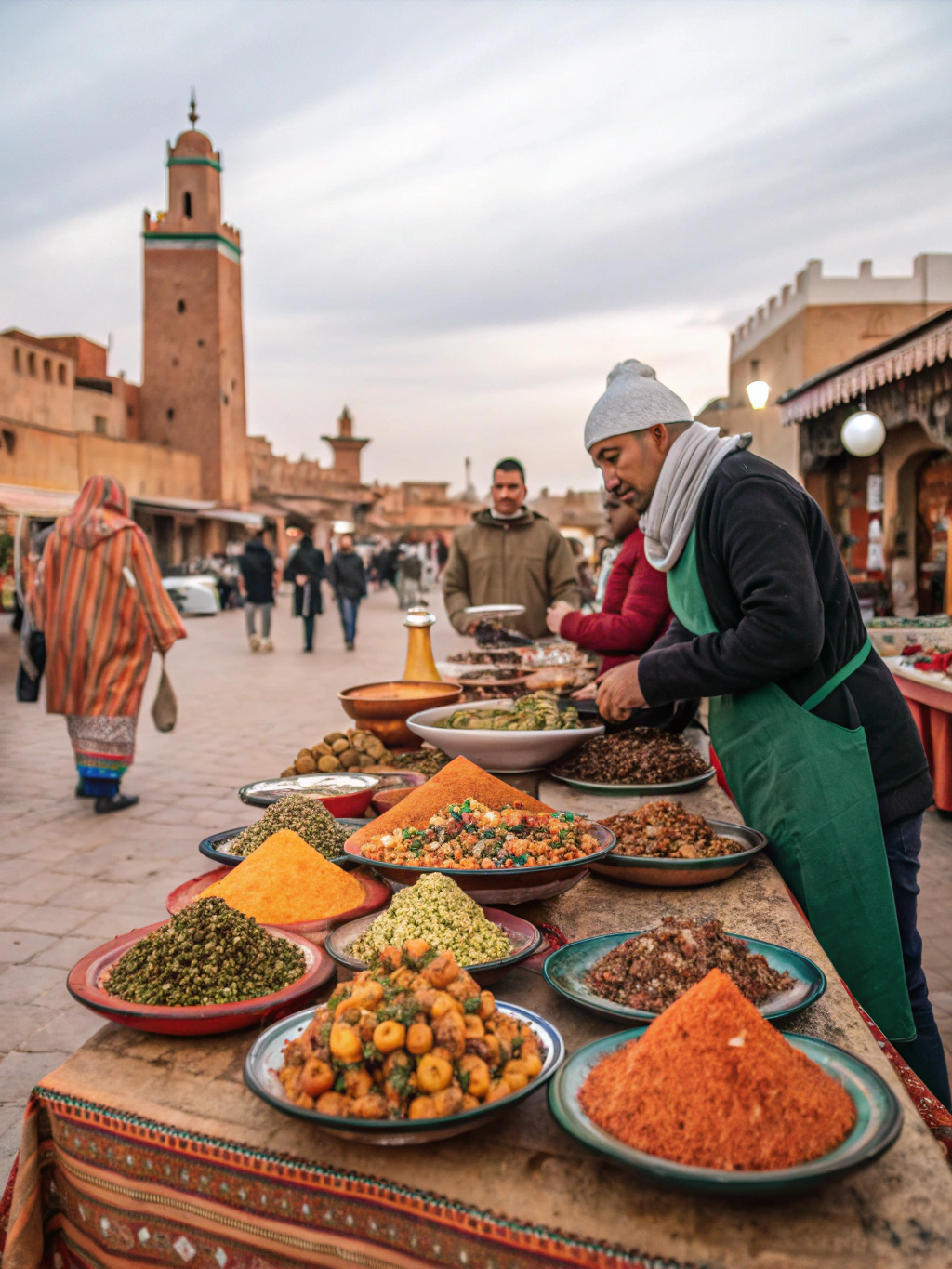
Is Marrakech simply a maze of souks and rooftop cafés, or is it one of the world’s great open-air dining rooms where recipes travel by aroma before they do by recipe book? Within steps of the storied square, you can taste centuries of Berber, Arab, Andalusian, and French influence—often for less than the price of a coffee back home. If you’re ready to Taste the real Morocco on a Morocco food tour Marrakech, expect more than mint tea and tagines: expect sizzling grills, saffron-scented couscous, and late-night bowls of harira shared shoulder-to-shoulder with locals. For curated options that spotlight authentic bites and culture, explore this resource: Street food tour Marrakech
- Introduction
- Essentials & Must-Dos
- Timing & Scheduling
- Day 1: Jemaa el-Fnaa at Dusk—From Smoke to Saffron
- Day 2: Hidden Lanes—Bakeries, Tanjia, and Spice Alchemy
- Day 3: Beyond the Medina—Gueliz Cafés, Local Markets, and Cooking Wisdom
- Health & Safety Advisories
- Alternative Routes & Experiences
- Suggested Activities & Pairings
- Common Mistakes to Avoid
- Logistics & Storing Tips
- Conclusion
- FAQs
Essentials & Must-Dos

– Cash is king: Bring small MAD notes (10–50 MAD) for market snacks and tipping. ATMs sit around the square, but machines can run low at night—withdraw earlier.
– eSIM or data plan: Instead of a paper map, load Google Maps and Maps.me for offline medina lanes; add your riad’s pin to avoid getting lost after late dinners.
– Reusable water bottle + purification tablets: Bottled water is cheap (6–10 MAD), but purification tabs reduce plastic.
– Light scarf and layers: Evening breezes cool down even after hot days; cover shoulders when entering religious or traditional spaces.
– Hand sanitizer and wet wipes: For finger foods like msemen, briouats, or khliaa bites.
– Comfortable closed-toe shoes: Cobblestones, crowded lanes, and the occasional scooter make these a must.
– Translate app: Moroccan Arabic (Darija) is common; a few phrases—shukran (thank you), bsh-hal? (how much?)—go a long way.
– Must-dos: Watch the sunset over Jemaa el-Fnaa from a terrace, sip freshly squeezed orange juice (4–7 MAD), taste snail soup (babbouche), and try tanjia—the slow-cooked Marrakech specialty baked in the city’s communal ovens.
Timing & Scheduling
– Preparation window: Most travelers don’t need a visa for stays up to 90 days (check your nationality). If you do, allow 2–4 weeks. Book popular food tours 7–14 days ahead in high season.
– Best season: Visit March–May or late September–November. Shoulder seasons can cut flight and hotel costs by 15–30% compared with peak summer. Daytime highs are comfortable (18–28°C), and produce is at its best.
– Duration: Plan 2–3 full days in Marrakech for a culinary focus; add 1–2 days for Atlas Mountains or Agafay pairings.
– Time of day: Jemaa el-Fnaa ignites at dusk; grills peak from 7–10 p.m. Morning is perfect for bakery runs (harcha, msemen), and midday suits sit-down tagines.
– Ramadan note: Food culture remains vibrant, but daytime dining can be limited; evenings transform into festive iftar feasts—an unforgettable experience if you plan around sunset.

Day 1: Jemaa el-Fnaa at Dusk—From Smoke to Saffron
Start with a traditional Moroccan breakfast: msemen drizzled with honey, amlou (almond-argan spread), and mint tea. After a slow medina wander, save appetite for dusk at Jemaa el-Fnaa. Begin with harira (10–20 MAD) and chebakia (sesame-honey pastries), then graduate to grilled sardines and kefta skewers (40–70 MAD per plate). Ask vendors where ingredients come from—many proudly source from nearby souks or Essaouira’s coast. Cap the night with snail soup seasoned with anise and thyme, believed to aid digestion. Pro tip: Choose stalls bustling with locals, scan for posted prices, and watch your dish finish cooking on high heat—your best defense for a happy stomach and an authentic Morocco food tour Marrakech vibe.
Day 2: Hidden Lanes—Bakeries, Tanjia, and Spice Alchemy
Rise early to follow the scent of warm khobz (bread) to a neighborhood farnatchi (communal oven). Ask your guide about tanjia, Marrakech’s slow-cooked beef or lamb prepared in amphora-like jars; it simmers in residual oven heat and emerges buttery-soft, perfumed with cumin and preserved lemon. Next, dive into Rahba Kedima spice square for ras el hanout blends—excellent souvenirs if sealed airtight. Lunch on a vegetable tagine or chicken with olives, then chase sweetness with sfenj (yeast doughnuts) dusted in sugar. In the afternoon, sip a glass of atay (mint tea) on a terrace overlooking the square; compare the caramel notes of Gueliz-roasted coffee vs. medina tea culture to deepen your culinary map of the city.

Day 3: Beyond the Medina—Gueliz Cafés, Local Markets, and Cooking Wisdom
Head to a neighborhood market like Marché de Mellah or Sidi Ghanem’s cafés for a contemporary twist—think craft pastries with local almonds and dates. Visit an argan cooperative shop to understand cold-press methods; taste culinary argan oil’s nutty richness versus cosmetic-grade. For lunch, sample rfissa (lentils and chicken atop shredded msemen) or tangia’s cousin, mechoui (slow-roasted lamb) when available on weekends. Seal the experience with a hands-on class or market-to-table workshop to decode spice ratios—the smartest souvenir is skill. End with pomegranate juice or avocado-almond smoothies and a rooftop sunset that frames Koutoubia’s silhouette.
Health & Safety Advisories
– Food and water: Stick to freshly cooked, steaming-hot dishes and fruits you can peel. Bottled or treated water is safest.
– Vaccinations: Check routine vaccines and consider Hepatitis A and Typhoid for food travelers; rabies only for remote exposure risks (CDC Traveler’s Health and WHO International Travel & Health).
– Security: Petty theft occurs in crowded areas—use a money belt, keep phones zipped, and be street-aware near the square (guidance aligns with U.S. Embassy Morocco and UK FCDO advisories).
– Local customs: Ask before photographing people, especially vendors. Dress modestly in traditional quarters. During Ramadan, avoid eating or smoking in public during daylight out of respect.
– Emergencies: Dial 190 (police), 150 (ambulance). Keep your riad’s contact handy and note the nearest clinic.
Alternative Routes & Experiences
– Budget-conscious: Snack-hop the square and side streets; target stalls with posted prices and eat where turnover is high. Self-guided spice and bakery walks keep costs low.
– Luxury seeker: Book private, chef-led tastings with medina rooftop dinners, a hammam ritual, and a riad stay with a dedicated cook.
– Family focus: Midday food tours avoid the nighttime crush; choose mild dishes (couscous tfaya, grilled chicken brochettes) and fresh juices.
– Vegetarian/vegan: Seek loubia (spiced beans), vegetable tagines, zaalouk (eggplant salad), taktouka (pepper-tomato), and lentil harira.
– Photography buffs: Aim for blue hour when grills smoke and lanterns glow; request stall-side access with a small purchase and a smile.
Suggested Activities & Pairings
– Pair the medina feast with a Berber cooking class in the Atlas Mountains—learn to season couscous with mountain herbs.
– Add a day trip to Essaouira for Atlantic seafood and sardine chermoula.
– Combine with a desert evening in Agafay: sunset camel ride, stargazing, and a tagine dinner under canvas.
– Coffee crawl in Gueliz followed by a contemporary art stop at MACAAL to balance tradition with modern Morocco.
Common Mistakes to Avoid
– Skipping small bills: Vendors may not break 200 MAD easily; carry 10–50 MAD notes.
– Eating the first stall you see: Walk the square once, compare cleanliness and turnover, then decide.
– Ignoring hydration: Dry heat can sneak up—alternate tea with water.
– Overpacking the day: Medina lanes reward slow wandering; leave buffers for spontaneous tastings.
– Forgetting negotiation etiquette: Bargain respectfully for spices and souvenirs; food stall prices are typically fixed and displayed.
– Assuming every dish is spicy: Moroccan cuisine emphasizes aroma over heat—ask for harissa on the side if you like spice.
– Not reserving top workshops: Quality classes and tours sell out in high season.
– Photographing without permission: Always ask, and tip performers in Jemaa el-Fnaa if you snap a shot.
Logistics & Storing Tips
– Digital organization: Store passport scans, insurance, and bookings in a cloud folder and a secure offline app.
– Connectivity: eSIMs save time at arrival; WhatsApp is ubiquitous for guides and drivers.
– Money: ATMs near the square work well; choose “charge in MAD” to avoid dynamic currency conversion fees.
– Transport: Official taxis use meters; for set fares, agree before you ride. Many travelers prefer ride-hailing apps in Gueliz for transparency.
– Packing food finds: Seal spices in double bags; buy argan oil in tamper-proof bottles and pack in checked luggage.
– Flight prep: Bring an empty bottle through security to refill post-checkpoint; pack a light scarf for chilly cabin temps.
Conclusion
From smoky grills to saffron-scented stews, Marrakech rewards the curious palate. Plan smart, pace yourself, and you’ll taste a living culinary tradition—one that sings loudest at dusk in Jemaa el-Fnaa. Ready to map your own route? Share your favorite bites in the comments and explore more itineraries to keep your culinary journey going.
FAQs
– What should I try first in Jemaa el-Fnaa?
Harira with chebakia to start, then kefta or sardines, and finally snail soup. Look for busy stalls with posted prices and visible handwashing stations.
Is street food safe in Marrakech?
Yes, when you choose high-turnover stalls and hot, freshly cooked dishes. Avoid pre-prepared salads if they’ve sat out; peel fruit and drink treated water.
How much cash do I need per day for food?
Budget 80–180 MAD for robust street eats; 150–300 MAD for sit-down meals. Add 10–15% for tips where service exceeds expectations.
Can vegetarians eat well on a food tour?
Absolutely: vegetable tagines, lentil harira, zaalouk, taktouka, and couscous with caramelized onions and raisins are delicious staples.
What time does the square get lively?
From sunset through late evening, peaking 7–10 p.m. Weekends and holidays are busiest; arrive slightly early to scout and secure seats.


or a golf session near Bouskoura.– City combos: High-speed Al Boraq train to Rabat (1h) or Marrakech (~2h30) turns Casablanca into a perfect gateway.– Culture pairings: Time your visit for a film
[…] your mountain retreat by pairing it with Marrakech‘s cultural attractions – spend 2-3 days exploring the medina, Majorelle Gardens, and […]
[…] your fossil hunting adventure by arriving in Erfoud via the scenic route from Fez or Marrakech. Check into your accommodation and visit the local tourism office for current site access […]
[…] Bring portable phone chargers, as you’ll document incredible iftar scenes and evening celebrations. Pack digestive aids and hydration supplements, since restaurant schedules shift dramatically. Instead of relying solely on guidebooks, connect with local cultural centers before departure to understand regional Ramadan customs—Fez traditions differ significantly from Marrakech practices. […]